-
It delivers the most transformative base, turning visibly uneven skin into a smooth, polished canvas.
-
Offers strong coverage without sacrificing natural look when formulated and applied properly.
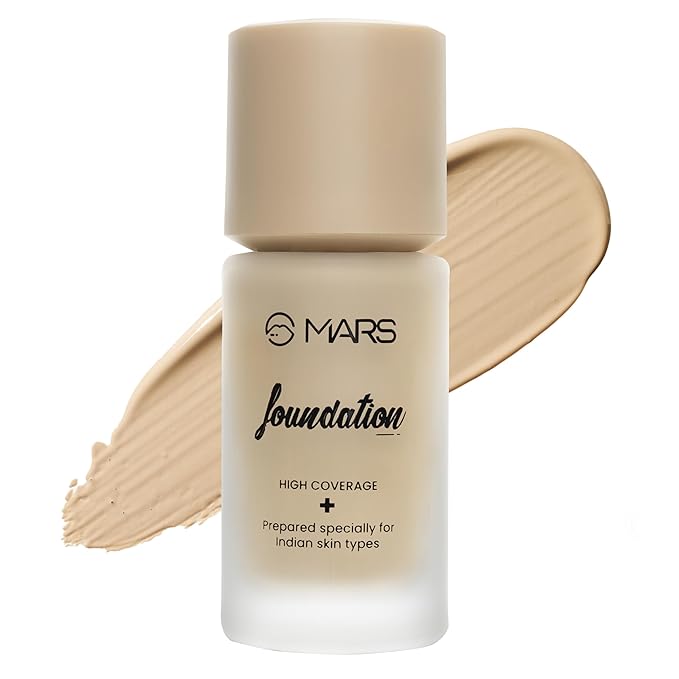
High Coverage Liquid Foundation: The Definition of Flawless
Introduction
In makeup, few products carry as much weight as foundation. It sets the tone for your entire look—balancing skin tones, concealing imperfections, and creating a seamless canvas for the rest of your makeup. Among foundation types, high coverage liquid foundation stands out when you want truly flawless, polished results. Whether for special events, photography, long days, or simply bringing out your best, a high coverage liquid foundation transforms skin, giving you a uniform, luminous, airbrushed finish while maintaining a skin‑like feel.
This comprehensive description will delve into what high coverage liquid foundations are, how they work, their formulation, skin compatibility, pros & cons, application methods, comparisons with other foundations, and how to choose the right one for your skin and lifestyle.
What Is a High Coverage Liquid Foundation?
A high coverage liquid foundation is a cosmetic base product with a fluid (liquid) formula, formulated to provide maximum or near‑maximum coverage—meaning it can conceal major skin issues: discoloration, dark spots, acne scars, redness, visible pores, uneven texture, etc. Despite its intensity, the best high coverage liquid foundations aim to look natural, breathable, and luminous (or matte, depending on the finish) rather than mask‑like.
Key characteristics include:
-
Strong pigment concentration to hide imperfections in fewer layers.
-
Often medium‑to‑thick texture (but not pasty), to allow buildability.
-
Blendable yet durable, setting well and resisting transfer, fading, and creasing.
-
Multiple finishes: matte, satin, dewy, semi‑matte, radiant.
-
Compatible with various skin care base layers (primers, serums, moisturizers) to avoid pilling or patchiness.
Why Choose a High Coverage Liquid Foundation?
Here are reasons and situations when this type of foundation works best:
-
Camouflaging Skin Imperfections
If you have hyperpigmentation, acne scars, melasma, sun spots, or visible veins, a high coverage foundation helps even out skin tone. -
Even Skin Tone for Photography / Video
High‑definition cameras, studio lighting, selfies, video calls—all reveal skin detail. A strong coverage foundation ensures skin looks smooth and even on high resolution. -
Long‑Wear Needs
For weddings, long workdays, events: you want something that stays intact, resists sweat/sebum, environmental stress. -
Minimal Layers
Because it’s potent, you often need less product. One coat (thin layer) can be enough—reducing time and risk of patchiness. -
Versatility
Good high coverage foundations are buildable—from medium to full coverage—so you can use less on good skin days, more on “mask‑needed” days.
Key Components & Formulation
Understanding what’s inside helps you pick the right formula and know how it behaves. Here are the typical formulation ingredients and their functions.
| Ingredient Type | Purpose / Role | Effects to Expect |
|---|---|---|
| Pigments (iron oxides, titanium dioxide, etc.) | Provide the main color, opacity to cover imperfections | Rich tone, high hide; opacity may feel heavy if too much |
| Film Formers / Polymers | Help foundation adhere, resist moisture / sweat, improve wear time | Longer wear, less transfer; may feel tighter if overused |
| Emollients & Oils | Soften, smooth; help the formula spread; give finish (dewy/satin) | Skin looks smoother; too much oil may lead to shine or slip |
| Silicones (e.g. dimethicone, cyclopentasiloxane) | Provide smooth glide, blur texture (pores, fine lines) | Soft, silky finish; may feel “slippery” initially; sometimes less breathable |
| Powder Extenders / Matte Agents (silica, talc, kaolin, etc.) | Reduce shine, set the finish, absorb oil | Matte or semi‑matte look; risk of drying or accentuating dryness if not balanced |
| Humectants (glycerin, hyaluronic acid, etc.) | Draw moisture into skin; prevent dryness under foundation | Helps maintain hydration; prevents flaking or tightness |
| SPF / Sun Filters (optional) | Protect from UV rays | Helps skin health; may influence oxidation or flash‑back if too strong |
| Skin‑soothing / Treatment Agents (niacinamide, vitamin E, green tea extract, peptides) | Calm skin, support barrier, reduce inflammation | Better skin comfort; especially good for sensitive or blemished skin |
| Preservatives, Fragrance, etc. | Stability, scent, shelf life | Be cautious—some may irritate; fragrance‑free or low‑fragrance options better for sensitive skin |
Types of Finishes
The finish you choose can dramatically affect the look and wear of the foundation. High coverage liquid foundations often come in different finishes. Some common types:
-
Matte: No shine; often absorbs oil; great for oily skin. Risk: may look flat or accentuate dryness if skin is dry High Coverage Liquid Foundation.
-
Semi‑Matte / Natural Matte: Slight sheen; looks more “skin”‑like but still controls shine High Coverage Liquid Foundation.
-
Satin: A balance between matte and dewy; slight glow without being glossy High Coverage Liquid Foundation.
-
Dewy / Radiant / Luminous: Gives moisture‑rich, glowing finish, ideal for dry or mature skin High Coverage Liquid Foundation.
-
Skin‑like / Natural Finish: Lightweight feel and visual; full coverage but looks as though you’re wearing light or no foundation High Coverage Liquid Foundation.
How to Choose the Right High Coverage Liquid Foundation
Choosing the perfect foundation involves multiple factors. Here’s what to consider:
-
Skin Type
-
Oily skin: look for matte or semi‑matte finishes; oil control ingredients; non‑comedogenic.
-
Dry skin: choose formulas with humectants, emollients, dewy or radiant finish High Coverage Liquid Foundation.
-
Combination: either use a formula somewhere in between or mix different finishes (e.g., matte in T‑zone, dewy elsewhere).
-
-
Skin Tone & Undertone
Finding the correct shade (tone) and undertone (warm, cool, neutral, olive) is crucial. High coverage formulas rarely allow for much color correction with other products because they conceal so much. -
Longevity / Wear Needs
If foundation needs to last many hours or through heat/sweat, look for long‑wear or waterproof/transfer‑resistant formulas. -
Sensitivity
Avoid irritants (fragrance, strong alcohols, certain preservatives). Look for added skincare benefits like anti‑inflammatory or barrier‑supporting ingredients. -
Finish Preference
Based on how you like to look (glowy, matte, natural) and depending on your setting (photography, stage, normal day). -
Lighting & Environment
In bright or harsh lighting, matte or satin finishes tend to photograph better. Dewy finishes can reflect too much light in flash photography unless they have good formulation.
Benefits of Using High Coverage Liquid Foundation
When well‑formulated and properly applied, high coverage liquid foundation offers many benefits:
-
Flawless Complexion: Hides discoloration, blemishes, uneven tone.
-
Confidence Booster: Gives a polished, professional look.
-
Reduces Need for Additional Concealer / Corrector: High pigmentation may reduce extra layering, which can help minimize creasing.
-
Improved Texture Appearance: Silicones, film formers and powders help hide pores, fine lines, rough texture.
-
Versatility: Buildable formulas allow you to adjust from medium to full coverage.
-
Photogenic Finish: In good formulas, skin looks even, smooth under different lights.
-
Wear Time: High staying power reduces need for touch‑ups.
Drawbacks / Challenges
However, high coverage liquid foundations also come with potential drawbacks. Acknowledging these helps in selecting wisely and applying correctly.
-
If applied too thickly, can look mask‑like or feel heavy.
-
May clog pores / cause breakouts if non‑comedogenic properties are lacking.
-
Can settle into fine lines or accentuate texture if skin is dry or textured.
-
Transfer / fading can be problem unless formula set well or sealed.
-
Shade mismatch is more obvious with high coverage.
-
Potential oxidation (color darkening slightly over time) more visible.
Application Tips for Best Results
To maximize effectiveness and avoid pitfalls, here are detailed application guidelines:
-
Prepare the Skin Well
-
Cleanse, tone, moisturize according to your skin type.
-
Use a primer suited to your skin: smoothing, mattifying for oily skin; hydrating, illuminating for dry skin.
-
Allow moisturizer / primer to absorb/dry before applying foundation.
-
-
Choose the Right Tools
-
Brush: Dense, flat or kabuki brushes allow buffing and full coverage, especially with thick formulas.
-
Sponge / Beauty Blender: Great for blending and sheer‑out edges; damp sponge can help make coverage look more natural.
-
Fingertips: Warmth of fingers helps emulsify the product; good for blending into areas like nose, jaw.
-
-
Dot & Spread Technique
-
Apply small dots on forehead, cheeks, chin, nose.
-
Spread outward, blending carefully at jawline, hairline, ears.
-
Don’t forget eyelids and neck for seamless effect.
-
-
Layer Instead of One Thick Coat
-
For high coverage without heaviness: apply one thin layer everywhere; then add more only on trouble spots.
-
-
Set Strategically
-
Use translucent powder only where needed (typically T‑zone or areas prone to oil).
-
Light powder can prevent creasing in fine lines.
-
Use setting spray to meld layers together and reduce powdery finish.
-
-
Correct Color & Finish After Application
-
If oxidation causes darkening, use color correctors underneath (peach/‑orangey for deep tones, green for redness etc.), or choose slightly lighter foundation if you expect oxidation.
-
For too‑matte finish, mix illuminating drops or apply a luminous setting spray.
-
-
Touch‑Ups & Longevity
-
Carry blotting papers or lightweight powder to refresh without adding heavy layers.
-
Cleanse thoroughly at end of day to prevent buildup clogging pores.
-
Skin Type‑Specific Advice
| Skin Type | Foundation Needs | Best Practices |
|---|---|---|
| Oily Skin | Oil‑control, non‑comedogenic, matte/semi‑matte finish, long‑wear | Use primer that controls oil; powder set T‑zone; blot mid‑day; avoid overly dewy formulas that contribute to shine |
| Dry Skin | Hydrating emollients, dewiness, luminous finish, non‑drying powders | Exfoliate regularly; use hydrating primer; mix foundation with serum if needed; avoid matte heavy powders |
| Combination Skin | Balanced formula; matte in oily zones, hydrating elsewhere | Strategically apply; use different methods in different zones; set only oily areas |
| Sensitive / Acne‑Prone Skin | Non‑fragranced, non‑comedogenic, mild preservatives, skin‑soothing ingredients | Patch test; avoid overly heavy / occlusive formulas; clean thoroughly; look for added calming agents (niacinamide etc.) |
| Mature Skin | Soft focus ingredients; hydrating and light‑diffusing; avoid settling in wrinkles | Extra hydration; gentle primers; minimal powder; lighter layers with build‑up only where needed |
Comparing High Coverage Liquid Foundation with Other Foundation Types
To understand its place, let’s compare with other foundation formats.
-
Liquid vs. Cream: Cream foundations are denser, often more moisturizing; liquids are more versatile, easier to blend.
-
Liquid vs. Powder: Powders set faster, good for oil control; liquids offer more natural, dewy/satin options and smoother finish.
-
Liquid vs. Stick: Sticks are highly pigmented but usually less blendable; liquids allow more give and control.
-
High Coverage vs. Sheer / Light Coverage: Sheer gives transparency, just even tone; high coverage conceals heavily but needs more care to look natural.
Real‑World Use Cases
Here are some scenarios where high coverage liquid foundation shines:
-
Weddings / Events: Long wear, photography, long hours—foundation needs to perform under heat and sweat.
-
Professional Photoshoots / Fashion Shows: Studio lighting reveals every imperfection; high coverage helps present flawless skin.
-
On‑Camera / Media Appearances / Video Calls: Cameras pick up texture, shine; a good high coverage liquid foundation that’s well-set helps avoid washed-out or overly shiny looks.
-
Covering Skin Conditions: For those with acne, dark marks, scarring, discoloration—these formulas help boost confidence by camouflaging without needing thick layers of concealer.
-
Stage Performance: Under harsh lights and from distance, skin needs to appear smooth and even.
-
Everyday Use (if desired): For those who enjoy heavier makeup daily—provided formula is comfortable and skin is cared for.
Texture, Feel, and Finish: What Users Experience
The experience of using a high coverage liquid foundation involves several sensory aspects:
-
Touch & Spread: The right foundation will feel smooth, glide easily, without tugging or pulling.
-
Dry‑Down Time: Some formulas dry fast; others allow blending a little longer. It’s good if it allows a few seconds to adjust and blend, but sets enough to stay.
-
Weight on Skin: Despite its coverage, it should feel breathable, not like a mask.
-
Shine Control vs. Glowy: Depending on finish, you might feel more matte or more radiant. Matte ones reduce shine; dewy ones may require more maintenance.
-
Oxidation / Color Shift: Some foundations darken slightly after application; quality ones minimize this. Users often wait a few minutes to judge true color.
Safety, Ethics, & Ingredient Concerns
When applying something that covers much of the face for many hours, safety and ethics are important.
-
Non‑comedogenic formulas are essential to prevent pores from clogging.
-
Fragrance‑free or low fragrance, especially for sensitive or acne‑prone skin.
-
Paraben‑free, or minimal use of preservatives that are well tolerated.
-
Dermatologist tested, hypoallergenic.
-
Cruelty‑free manufacturing practices.
-
Vegan options, if possible.
-
Transparency on ingredients, so users with allergies can check.
Packaging, Sizes, & Presentation
How the product is packaged has big impacts on usability, hygiene, and perception.
-
Bottle with pump: Ideal for hygiene, measuring, controlled dispensing.
-
Tube: Travel‑friendly, squeezable; may be less precise.
-
Airless pump: Even better to reduce oxidation and contamination.
-
Shade display / numbering: Clear labeling for tone, undertone.
-
Included tools (sometimes): sponge, dropper, etc.
Quantities may vary: typical sizes might be 30 ml / 1 fl oz, but travel sizes or testers often smaller.
Testing, Performance Claims, and Durability
Producers often conduct tests; here are performance metrics commonly highlighted:
-
Wear time: many high coverage liquids claim 8‑16 hours of wear.
-
Transfer resistance: how much the foundation transfers to clothes, phone, etc.
-
Fade‑resistance: whether it holds up under sweat, humidity, oil.
-
Color stability: less oxidation, maintaining shade.
-
Resistance to creasing and settling: particularly in fine lines around mouth, eyes.
Sample Product Scenario: “Radiant Armor High Coverage Liquid Foundation”
To illustrate, here’s a hypothetical example of a high coverage liquid foundation and its features:
-
Finish: Satin to Natural Matte
-
Coverage: High (buildable from medium)
-
Key Ingredients:
-
Water‑based plus silicone blend for smooth spread
-
Hyaluronic acid for moisture retention
-
Niacinamide for skin tone balance
-
SPF 15 protection
-
Green tea extract + Vitamin E for antioxidants
-
-
Shade Range: 30 shades with warm / cool / neutral undertones
-
Wear Time: Up to 12 hours, resistant to perspiration and humidity
-
Non‑comedogenic & fragrance‑free
-
Packaging: Airless pump 30 ml, plus sample size 10 ml
Case Studies & User Feedback
Here are fictional but illustrative user insights you might gather:
-
“I have acne scars and redness. This foundation covered everything in just one thin layer, and stayed in place all day.”
-
“I’m very oily, and matte finishes usually make my skin look dry. This one controls oil well yet still looks natural.”
-
“My skin is mature, with fine lines. Many heavy foundations settle into wrinkles. But this formula uses light‑diffusing particles so my skin looks smoother.”
-
“In my photos, the foundation matched my neck well and didn’t flash‑back under flash.”
Frequently Asked Questions (FAQs)
Q: Can I use a high coverage foundation every day?
A: Yes — if your skin tolerates it well, you care for it (cleanse, moisturize, give skin breaks), and choose a formula suited to your skin type.
Q: Will it clog my pores or cause breakouts?
A: Potentially, if it’s heavy, occlusive, or comedogenic. Choosing non‑comedogenic formulas, thorough cleansing, and occasional masks/exfoliation helps.
Q: How do I avoid the “mask” look?
A: Use thin layers, blend well at edges, set appropriately. Mix with lighter formulas if needed. Use natural lighting to check.
Q: What skin tone issues do I need to check for?
A: Undertone matching (warm / cool / neutral), shade depth, whether foundation oxidizes (darkens) over time; test a bit on jawline or neck.
Q: Can I mix two shades if needed?
A: Yes—mixing a lighter and darker shade (or different undertones) helps customize perfect match, especially for combination skin or changing seasons/tan.
How to Integrate in a Beauty Routine
Here’s a suggested routine using high coverage liquid foundation for best results:
-
Cleanse & Tone: Remove dirt/oil. Tone to stabilize pH.
-
Treat & Moisturize: Apply any serums, moisturizer; allow them to fully absorb.
-
Primer / Base: Optional primer suited to your finish desired.
-
Spot Conceal / Color Correct (if needed): Use peach/green etc. correctors before foundation so full coverage foundation doesn’t need to fully compensate.
-
Apply Foundation as per tips above.
-
Concealer as needed in under‑eye or isolated dark spots.
-
Set lightly—focus on areas prone to creasing or oil.
-
Set Spray for longevity and de‑powdered finish.
-
Finish Makeup: Powder, blush, bronzer, highlight, etc.
-
Evening Removal: Use an effective remover; double cleanse if wearing high coverage often.
Trends & Innovations
Recent trends and innovations around high coverage liquid foundations include:
-
Skin‑care infused formulas: incorporating hyaluronic acid, niacinamide, antioxidants.
-
Ingredient transparency and “clean beauty” claims.
-
Extended shade ranges, addressing diversity.
-
Light‑filter / blur‑effect technology: diffusing reflectants to soften appearance of pores, wrinkles.
-
Hybrid finishes: matte but luminous; dewy but long‑wear.
-
Eco‑friendly packaging: refill systems, recyclable pumps.
-
Less transfer / more transfer‑resistance thanks to better film formers.
Final Summary: Why High Coverage Liquid Foundation Matters
-
It delivers the most transformative base, turning visibly uneven skin into a smooth, polished canvas.
-
Offers strong coverage without sacrificing natural look when formulated and applied properly.
-
Serves multiple use cases: events, photo, performance, daily for those who want and tolerate the strength.
-
Requires care: selection of formula, color, finish; proper skin prep; blending and setting.
-
The ideal foundation is one that makes you feel confident and beautiful—not masked or overdone.


Reviews
There are no reviews yet.