-
choose a product with suitable glycolic concentration for their skin type,
-
start gradually.
₹410.00 Original price was: ₹410.00.₹399.00Current price is: ₹399.00.
choose a product with suitable glycolic concentration for their skin type,
start gradually.
A Glycolic Brightening Face Wash is a facial cleanser formulated with glycolic acid (one of the alpha hydroxy acids, or AHAs) as a key active ingredient, alongside other complementary agents, to gently exfoliate, brighten, and even out skin tone. Unlike many face washes whose primary function is simply cleansing (removing dirt, oil, makeup), this type of face wash aims to provide both cleansing and cosmetic improvements: reducing dullness, diminishing pigmentation or uneven tone, promoting smoother skin texture, etc.
Glycolic acid is prized in skincare for its small molecular size, which allows better penetration into the top layers of skin; it loosens the bonds between dead skin cells, helping to shed them and reveal fresher skin underneath. When combined with other brighteners (vitamin C, niacinamide, glutathione, etc.), the effect is amplified: more radiant, luminous, healthy‑looking skin.
In skincare, “brightening” can refer to a variety of effects:
Lightening or reducing the appearance of dark spots, pigmentation, melasma, or tan.
Reducing dullness caused by buildup of dead skin cells, environmental factors, pollutants.
Enhancing skin’s natural radiance — making it look glowy, even‑toned, rested.
Improving texture: smoothing out rough or uneven patches so skin reflects light more uniformly.
A face wash that brightens won’t usually bleach or dramatically change your skin tone permanently; rather it promotes a clearer, more even, more luminous complexion, often by removing or reducing things that suppress brightness (dead cells, past sun damage, pigmentation, etc.).
Glycolic acid (GA) is an alpha hydroxy acid (AHA). It’s derived from natural sources (e.g. sugar cane), though in cosmetics it’s produced synthetically to precise purities.
Among AHAs, glycolic acid has one of the smallest molecular weights, meaning it penetrates fairly well into the upper layers of the skin.
Exfoliation / Cell Shedding: GA softens / dissolves the “glue” (intercellular bonds) between dead skin cells on the stratum corneum (outermost layer of the epidermis). This encourages them to slough off more easily, revealing fresher skin beneath.
Boosted Cell Turnover: With regular exfoliation, the rate of turnover of skin cells tends to improve. Newer cells reach the surface faster, which helps reduce dullness and uneven tone.
Improved Texture and Appearance of Lines: Because the skin surface becomes smoother, fine roughness and early unevenness (“peach fuzz”, small bumps, uneven patches) become less noticeable. Some studies also suggest that GA can stimulate mild collagen production, though in the concentration used in face washes this effect is more modest compared to peels or serums.
Enhanced Penetration of Other Actives: By removing the barrier of dead cells, other ingredients (vitamin C, niacinamide, antioxidants) may be more effective.
Reduced Pigmentation / Dark Spots: Long‑term use of glycolic acid can help fade areas of hyperpigmentation by helping remove pigmented cells and preventing melanin accumulation in the superficial layers. It may also reduce post‑inflammatory hyperpigmentation (PIH) when used gently.
Most glycolic face washes use low‑to‑moderate concentrations of GA. Because you wash them off, high concentrations can be too irritating.
Typical ranges in over‑the‑counter face washes might be around 1‑5% GA, sometimes up to maybe 7‑10% depending on formulation and how gentle the rest of the product is.
Higher strength glycolic acid is usually seen in serums, chemical peels etc., not washes.
To maximize benefits and mitigate potential irritation, a glycolic brightening face wash typically includes several complementary ingredients. Some of these are:
Humectants / Moisturisers: Glycerin, hyaluronic acid, aloe vera, panthenol (vitamin B5), or other botanical extracts. These help retain moisture, reduce the dryness that exfoliation might cause, soothe skin.
Soothing Agents / Anti‑inflamatories: Allantoin, calendula extract, chamomile, green tea, species‐specific extracts that calm irritation. For sensitive skin especially important.
Antioxidants: Vitamin C (ascorbic acid or its derivatives), vitamin E, niacinamide, ferulic acid, glutathione. These help protect skin against oxidative stress (sun, pollution), assist with brightening and fading dark spots.
Skin Barrier Helpers / Emollients: Lipids, oils (non‑comedogenic), ceramide‑like ingredients, to support the skin’s natural barrier, reduce irritation risk.
pH adjusters / buffers: Since glycolic acid needs a certain pH to be effective but tolerable, buffers or pH stabilisers ensure the product stays in a skin‑friendly pH (often between ~3.5 to ~5.5 for cleansers, depending on how long it’s left on).
Cleansing / Foaming Agents: Mild surfactants that remove oil, dirt etc., while being not overly harsh. Possibly sulfate‑free or low‑lather to reduce drying.
Exfoliating Physical Particles (sometimes): Some formulations combine chemical (GA) with mild mechanical exfoliants (tiny beads, microgranules), though many brightening cleansers avoid physical scrubs to prevent microabrasions.
The feel of a glycolic brightening face wash can vary based on formulation:
Could be a foam / foaming gel: wakes up with lather, feels refreshing, possibly slightly tingly (especially for new users).
Could be creamy or milky gel: gentler, less foamy, more hydrating.
Scent: Some are unscented/fragrance‑free; others have light botanical or citrus scents. Fragrance can enhance user satisfaction but also risk irritation for sensitive skin.
Sensation: Initially, there may be a slight tingling or “prickling” sensation due to the glycolic acid. If formulation is well done, the tingle is mild and temporary. If intense burning or persistent stinging occurs, product may be too strong or skin barrier compromised.
Here are the benefits people often report (or which are claimed) when using a glycolic brightening face wash, assuming consistent use:
Brighter, More Radiant Skin
Cleaner skin, less dullness, more glow because of exfoliating dead skin cells.
More Even Skin Tone / Reduction in Pigmentation
Dark spots, sun tan, unevenness fade gradually.
Smoother Texture
Less rough patches, diminished tiny bumps, softer skin.
Reduced Acne / Breakouts
While not a primary acne treatment, GA helps keep pores clearer by removing dead cells; often helps with post‑acne pigmentation.
Refreshed Look
Skin looks less tired, more luminous.
Better Absorption of Other Products
Serums, moisturisers, sunscreen may work better after regular exfoliation, because skin is smoother and less blocked by dead cells.
While these washes can be very helpful, there are some risks or things to be cautious about:
Irritation, Redness, Tingling, Peeling
Especially with higher GA concentrations, or with sensitive / compromised skin barrier. Initial use might lead to mild exfoliation reactions (slight peeling, flaking).
Increased Sun Sensitivity
Exfoliating removes surface layers of skin, exposing newer cells more susceptible to UV damage. Using broad‑spectrum sunscreen daily is essential.
Over‑Exfoliation
Using too many exfoliating products (scrubs, acids, retinoids, etc.) together, or using glycolic wash too often can damage the skin barrier—leading to dryness, irritation, breakouts, etc.
Not Suitable for Everyone
Very sensitive skin, eczema, active rosacea, or compromised skin barrier might react badly. If you have wounds, sunburn, or highly sensitive skin, better to patch test or consult dermatologist.
Potential Interactions
Combining with other strong acids, retinoids etc. might increase irritation. Also, using vitamin C (some forms) + strong acids can result in pH conflicts or instability; need careful formulation.
Proper usage determines how well it works and how safely. Here are recommended steps / tips:
Patch Test First
Before applying to your entire face, try a small patch (jawline or neck) for 24 hours to check for unusual reaction.
Frequency
For beginners: start with 2‑3 times per week.
If tolerated well, may increase to daily (AM or PM) depending on strength. Many commercial glycolic brightening washes are formulated for daily use if mild.
Some products recommend once daily (often evening) to reduce sun exposure risk.
Application Steps
a. Wet your face with lukewarm water.
b. Dispense a small amount of the face wash (pea‑size or as instructed).
c. Gently massage onto face & neck, usually in circular motions. Avoid rubbing too hard. Focus on areas of dullness or pigmentation if desired, but gently.
d. Leave on skin for a short time (if the product allows mild leave‑on before rinsing). Usually only for the time you are massaging (~30 seconds to a minute), unless product is designed otherwise.
e. Rinse thoroughly with cool or lukewarm water.
f. Pat dry; follow up with toner/serum/moisturiser, and always sunscreen (in morning use).
Morning vs Evening Use
Evening use is often better because skin repairs overnight, and to avoid sun exposure during peak UV when skin is more vulnerable after exfoliation.
If used in morning (some mild variants), absolutely follow with a good SPF 30‑50 sunscreen, and limit direct sun exposure.
Moisturiser & Barrier Care
To reduce dryness or irritation: use moisturisers with ceramides, peptides, hyaluronic acid etc. Don’t forget gentle cleansers on days you don’t exfoliate, and possibly richer creams if skin feels dry.
Duration to See Results
Patience is important. Many people report seeing improvements in brightness, texture, evenness after 2‑4 weeks of consistent use. Pigmentation or dark spots may need longer (6‑8 weeks or more) depending on severity and other skincare habits (sun protection, diet, etc.).
Glycolic brightening face wash tends to suit:
Normal to oily and combination skin: often these skin types benefit from exfoliation and “oil control”.
Dull skin: people who feel their skin looks tired, lacks radiance.
Mild pigmentation / tan / post‑acne marks: where pigmentation is more superficial.
Less ideal (or needing caution):
Very dry skin / flaky skin: may become more irritated; need extra moisturisation.
Sensitive skin / reactive skin: may prefer lower concentrations or less frequent use.
Skin with active dermatitis, rosacea inflamed, compromised barrier, or those using multiple other actives (e.g. strong retinoids, peels) simultaneously.
When creating / selecting a good glycolic brightening wash, some formulation‑factors matter:
pH: needs to be low enough for GA to work (~3.5‑5) but not so low that it’s harsh. Balanced with buffers.
Concentration: As discussed. Higher concentration gives stronger effect but higher risk.
Type of surfactant: mild, non‑drying surfactants (e.g. non‑sulfate or low‑sulfate, glucosides etc.).
Presence of calming / barrier‑supporting ingredients to offset the irritancy of acid.
Delivery matrix / texture: sometimes gels, foams, milks, creams. Choice depends on skin type and user preference.
Preservatives, stability: because acidic products can degrade, or active ingredients (vitamin C etc.) can oxidise.
To illustrate how actual products implement glycolic brightening face washes, here are some examples (note: these are for illustration; I am not endorsing a specific one). They show how different brands combine glycolic acid with other actives.
GloDerma Brightening Face Wash: contains rice water, vitamin B5, glycolic acid, ferulic acid; described as hydrating, exfoliating, anti‑ageing, glowing, preparing skin. Amazon India
O3+ Glow Boosting Glycolic Acid Brightening Face Wash 100 ml: exfoliates, deep cleanses, brightens & evens skin tone, smooth texture, radiant skin. Glowus
BAKE 2% Glycolic Acid Face Wash: with hyaluronic acid; focuses on dark spots, pigmentation, tan removal, improves skin texture etc. bakecosmetics.com
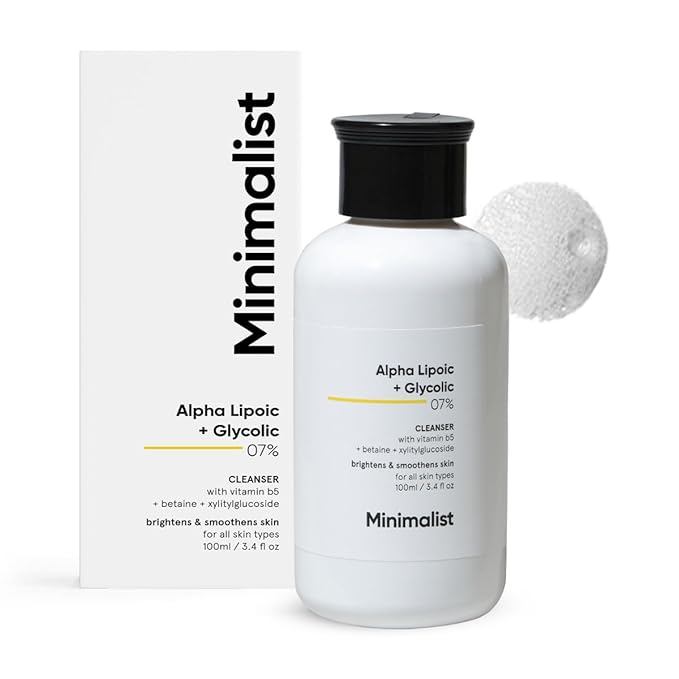
Minimalist 7% ALA & AHA Brightening Face Wash: contains 7% acid (combination of ALA & AHA), vitamin B5; fragrance‑free & non‑comedogenic principles. Pixies.in
These help us see how concentration, supporting actives, texture, and positioning differ.
Serums / leave‑on exfoliants / peels: These often have higher concentrations of glycolic acid (or other acids). More potent, but also more risk. Face washes are milder; they rinse off, so less “contact time” with skin Glycolic Brightening Face Wash.
Physical exfoliants (scrubs): Use beads or grit to slough off cells. Can be effective but risk microtrauma or over‑scrubbing if used too vigorously or too often. Glycolic acid is “chemical exfoliation”: more even, often gentler when properly formulated Glycolic Brightening Face Wash.
Brightening agents without exfoliation: Agents like niacinamide, arbutin, some botanical extracts, vitamin C, etc. These often lighten or prevent pigment without exfoliation. Glycolic acid adds the exfoliating action, which can enhance brightness more quickly when used well Glycolic Brightening Face Wash.
Combination products: Many brightening face washes combine glycolic acid plus other actives (vitamin C, niacinamide, kojic acid, etc.) for a synergistic effect Glycolic Brightening Face Wash.
Patch testing: Always.
Avoid eye area: Acids near eyes or lips can sting. Rinse off immediately if contact Glycolic Brightening Face Wash.
Sunscreen: Non‑negotiable. If you use a GA product and don’t protect skin, risk of hyperpigmentation or sun damage increases Glycolic Brightening Face Wash.
Monitor for overuse: dryness, peeling, irritation, tightness → reduce frequency or strength Glycolic Brightening Face Wash.
Storage: keep product sealed, cool, away from direct sunlight, as acids and antioxidants can degrade Glycolic Brightening Face Wash.
Ingredients quality: e.g. using stabilized forms of vitamin C, avoiding harmful preservatives or irritants. For people with allergies, read the full ingredient list Glycolic Brightening Face Wash.
Dermatologist consultation: if you have serious pigmentation issues, rosacea, sensitive skin, or are using other potent actives, it’s good to consult a dermatologist Glycolic Brightening Face Wash.
When brands market a glycolic brightening face wash, they often highlight:
“Glow / radiant skin” Glycolic Brightening Face Wash
“Remove tan / dark spots / uneven tone” Glycolic Brightening Face Wash
“Gentle exfoliation” Glycolic Brightening Face Wash
“Smooth texture / smoother skin” Glycolic Brightening Face Wash
“Brightening / illuminating” Glycolic Brightening Face Wash
“Safe for daily use” or “for sensitive skin” (if applicable) Glycolic Brightening Face Wash
Complementary ingredients: vitamin C / antioxidants / aloe / niacinamide etc Glycolic Brightening Face Wash.
Consumers are usually drawn to visible changes: less dullness, more even tone, reduction in tan or dark patches, smoother skin, etc. However, results depend on consistency, sun protection, and avoiding counter‑productive habits (excess sun, smoking, poor diet) Glycolic Brightening Face Wash.
Here’s how a typical product description might read, pulling together the above:
“GlowRenew Glycolic Brightening Face Wash – 100 ml”
Reveal your radiant skin with our GlowRenew Brightening Face Wash. Formulated with 5% glycolic acid, this gentle foaming cleanser exfoliates dead skin cells, helps reduce tan and dark spots, and evens skin tone. Enriched with niacinamide (vitamin B3) and vitamin C for luminous glow and antioxidant protection, and hyaluronic acid to hydrate and retain moisture. Ideal for normal to combination skin, this wash cleanses deeply without stripping, leaving skin soft, smooth, and visibly brighter. Use daily in your evening routine (or as tolerated), always follow with sunscreen in the morning. pH‑balanced, dermatologist tested, fragrance‑free.
Key benefits:
• Brighter, more even tone
• Reduced appearance of dark spots & tan
• Smoother texture & reduced dullness
• Hydrating formula to prevent dryness
If you’re shopping or comparing, these are the features to examine:
Glycolic Acid Concentration
Check whether the % is disclosed. If you are new to acids, lower (≈ 1‑5%) is safer. More advanced users might prefer 5‑10% depending on skin type.
pH Level
If disclosed. A more acidic pH improves efficacy but increases chance of irritation. Good buffer systems are a plus.
Supporting / calming ingredients
Look for moisturisers, soothing botanicals, barrier‑repair agents.
Cleansers / surfactants used
Milder ones help reduce dryness .
Fragrance / essential oils
These may improve aroma, but also often irritants. If sensitive skin, choose fragrance‑free or minimal fragrance.
Safety claims / testing
Dermatologist tested
Non‑comedogenic
Hypoallergenic (if applicable)
Cruelty‑free, if you care
Packaging
Air‑tight, opaque tubes help protect acid and antioxidants from breakdown.
Price / size
Consider cost per ml, frequency of use; sometimes investing a bit more in a better‑formulated product saves from skin issues later.
From users’ experiences, some common patterns emerge:
At first use, some tingling or mild sting is normal; lessens over time as skin builds tolerance.
Skin might look a bit pink immediately after rinsing; that’s normal so long as not raw or painful.
Within 1‑2 weeks, many observe smoother skin, better makeup application, less flakiness.
Within 3‑4 weeks, visible reduction in dullness, maybe early fading of sun tan or mild dark spots.
For deeper discoloration (melasma, deep sun spots), consistent use + sunscreen + perhaps more intensive treatments needed.
Reviews
There are no reviews yet.