Description
Introduction to Vitamin C Face Serum
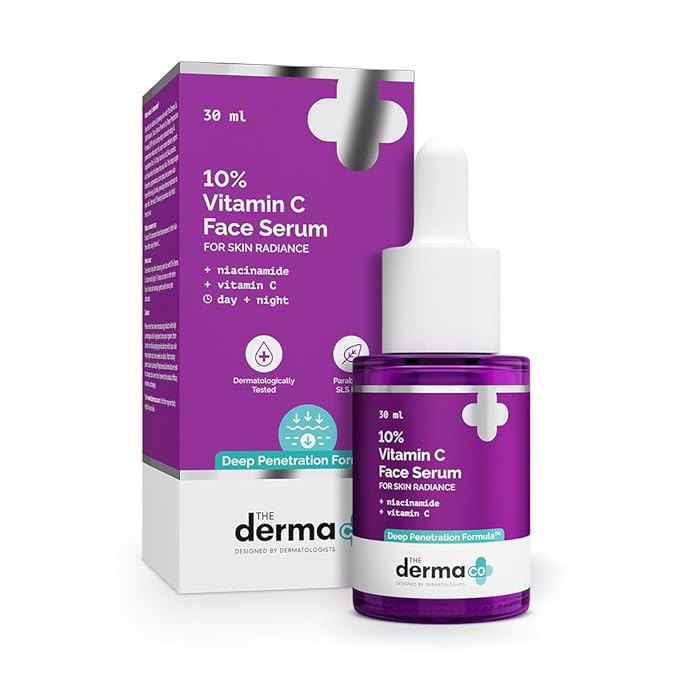
Vitamin C face serum is a powerhouse skincare product renowned worldwide for its potent antioxidant properties, skin-brightening effects, and anti-aging benefits. Often hailed as the “miracle” ingredient in dermatology, Vitamin C (ascorbic acid) plays a vital role in protecting skin from environmental damage, stimulating collagen production, and improving overall skin texture and tone.
Unlike creams or lotions, serums are formulated to deliver highly concentrated active ingredients directly into the skin’s deeper layers. Vitamin C serums, specifically, offer a direct and effective way to harness the antioxidant and rejuvenating powers of Vitamin C, making them an essential step in daily skincare routines.
What is Vitamin C Face Serum?
Vitamin C face serum is a lightweight, fast-absorbing liquid skincare product enriched with Vitamin C derivatives, typically L-ascorbic acid or its stable variants like magnesium ascorbyl phosphate or sodium ascorbyl phosphate. These formulations are designed to penetrate deeply into the skin to combat free radicals, promote collagen synthesis, reduce pigmentation, and brighten dull complexions.
Vitamin C serum can come combined with complementary ingredients such as hyaluronic acid, vitamin E, ferulic acid, or botanical extracts to enhance stability and boost effectiveness.
1. Antioxidant Protection
Vitamin C is a powerful antioxidant that neutralizes free radicals caused by UV rays, pollution, and other environmental stressors. Free radicals contribute to oxidative stress, leading to premature skin aging, collagen degradation, and inflammation. By scavenging these harmful molecules, Vitamin C helps maintain youthful and resilient skin.
2. Collagen Synthesis
Collagen is a vital structural protein that maintains skin’s firmness and elasticity. Vitamin C is a cofactor in the enzymatic reactions that synthesize collagen. Regular use of Vitamin C serum promotes collagen production, helping to reduce wrinkles, fine lines, and sagging skin.
3. Brightening and Hyperpigmentation Reduction
Vitamin C inhibits the enzyme tyrosinase, which controls melanin production in the skin. By regulating melanin synthesis, Vitamin C reduces dark spots, uneven skin tone, and hyperpigmentation, resulting in a brighter and more uniform complexion.
4. Anti-Inflammatory Effects
Vitamin C has anti-inflammatory properties that help calm redness, irritation, and skin sensitivity, making it suitable for many skin types, including sensitive and acne-prone skin.
Key Ingredients in Vitamin C Face Serum
While Vitamin C is the star ingredient, high-quality serums often include other synergistic components to maximize benefits:
-
L-Ascorbic Acid: The pure and most potent form of Vitamin C, but less stable and prone to oxidation.
-
Magnesium Ascorbyl Phosphate: A stable, water-soluble Vitamin C derivative known for gentle action and brightening.
-
Sodium Ascorbyl Phosphate: Another stable form that is effective and less irritating.
-
Vitamin E (Tocopherol): Works synergistically with Vitamin C to enhance antioxidant protection and skin repair.
-
Ferulic Acid: A plant-based antioxidant that stabilizes Vitamin C and enhances its efficacy.
-
Hyaluronic Acid: Provides deep hydration, helping the skin retain moisture and improve plumpness.
-
Botanical Extracts: Ingredients like green tea, aloe vera, or licorice root boost calming and antioxidant effects.
Benefits of Using Vitamin C Face Serum
1. Fights Signs of Aging
By stimulating collagen production and protecting against oxidative damage, Vitamin C serum helps reduce the appearance of fine lines, wrinkles, and sagging skin, promoting a youthful complexion.
2. Brightens Dull Skin
Vitamin C inhibits melanin production and promotes skin cell turnover, reducing dullness and revealing a radiant, glowing skin tone.
3. Reduces Hyperpigmentation
Regular application can fade dark spots, age spots, sun damage, and post-acne scars, improving overall skin clarity and evenness.
4. Protects Against Environmental Damage
Vitamin C serum offers a defense shield against pollutants, UV radiation, and other environmental aggressors that accelerate skin aging.
5. Hydrates and Improves Skin Texture
Many Vitamin C serums contain hydrating ingredients like hyaluronic acid, which help maintain skin moisture levels, making the skin feel smoother, plumper, and more supple.
6. Calms Inflammation and Soothes Skin
Vitamin C’s anti-inflammatory properties reduce redness, irritation, and sensitivity, which benefits acne-prone and rosacea-affected skin.
Suitable Skin Types for Vitamin C Face Serum
Vitamin C face serum is generally suitable for most skin types, but considerations include:
-
Normal Skin: Can use most formulations freely.
-
Dry Skin: Choose Vitamin C serums with added hydrating ingredients like hyaluronic acid.
-
Oily/Acne-Prone Skin: Lightweight, non-comedogenic serums work well and can reduce acne-related inflammation.
-
Sensitive Skin: Use gentle, stable derivatives of Vitamin C, such as magnesium ascorbyl phosphate, and patch test before full application.
-
Aging Skin: Ideal for boosting collagen and reducing wrinkles and pigmentation.
How to Use Vitamin C Face Serum Effectively
Step-by-Step Application Guide
-
Cleanse Your Skin
Begin with a gentle cleanser to remove impurities and prep the skin.
-
Apply Toner (Optional)
A balancing toner can help optimize skin pH for better serum absorption.
-
Dispense Serum
Use 2-3 drops of Vitamin C serum on your fingertips.
-
Apply Gently
Pat or gently massage the serum onto the face, neck, and décolletage.
-
Allow Absorption
Give the serum a few minutes to absorb completely before applying moisturizer or sunscreen.
-
Follow with Moisturizer
Lock in the serum’s benefits with a nourishing moisturizer.
-
Use Sunscreen
Vitamin C enhances photoprotection but is not a substitute for sunscreen. Always apply SPF in the morning.
When and How Often to Use
-
Most Vitamin C serums are recommended for morning use to provide antioxidant protection throughout the day.
-
Can be used once or twice daily depending on serum strength and skin tolerance.
-
Start slowly if you have sensitive skin — every other day, then increase frequency.
-
Combine with other antioxidants like vitamin E or ferulic acid for enhanced effects.
Common Concerns and Troubleshooting
1. Serum Oxidation
Vitamin C is sensitive to light and air exposure, causing oxidation and loss of potency. Look for serums in opaque, air-tight bottles. Store in cool, dark places and discard if color changes to yellow or brown.
2. Skin Irritation
High concentrations of L-ascorbic acid can cause tingling or redness. Start with lower concentrations (10-15%) or stable derivatives if you have sensitive skin.
3. Compatibility With Other Actives
Popular Variants of Vitamin C Face Serum
1. Pure L-Ascorbic Acid Serums
High concentration (15-20%), most effective but may be irritating to sensitive skin.
2. Vitamin C Derivatives
More stable and gentler alternatives, suitable for sensitive or mature skin.
3. Vitamin C + Hyaluronic Acid
Combines antioxidant and hydration benefits.
4. Vitamin C + Ferulic Acid + Vitamin E
A powerful antioxidant combination that enhances stability and potency.
Vitamin C Face Serum vs Other Brightening Products
| Feature |
Vitamin C Serum |
Niacinamide |
AHAs/BHAs |
Hydroquinone |
| Primary Function |
Antioxidant, brightening, anti-aging |
Brightening, barrier support |
Exfoliation, brightening |
Strong hyperpigmentation treatment |
| Skin Tolerance |
Generally good |
Excellent |
May cause irritation |
Potential side effects |
| Sun Sensitivity |
Enhances photoprotection |
Neutral |
Increases sensitivity |
Increases sensitivity |
| Long-Term Safety |
Safe with consistent use |
Safe |
Safe with caution |
Use under medical supervision |
Environmental and Ethical Considerations
Many Vitamin C serums today are:
-
Formulated without parabens, sulfates, and phthalates.
-
Packaged in recyclable or glass bottles.
-
Vegan and cruelty-free.
-
Made with sustainably sourced ingredients.
Conclusion
Vitamin C face serum is a scientifically-backed, versatile skincare powerhouse that supports radiant, youthful, and healthy skin. With its ability to protect, brighten, hydrate, and stimulate collagen production, it remains a staple in both simple and advanced skincare routines worldwide.
When selected and used correctly, Vitamin C serum delivers transformative results, addressing multiple skin concerns while enhancing overall skin health and appearance.
Deeper Dive Into the Benefits of Vitamin C Face Serum
1. Enhanced Skin Radiance and Glow
Vitamin C serum doesn’t just brighten by reducing pigmentation; it improves overall skin clarity by promoting the skin’s natural exfoliation process. This encourages the shedding of dead skin cells, revealing fresher, smoother skin underneath. The result is a luminous complexion that looks healthier and more vibrant Vitamin C Face Serum.
2. Boosts Skin Repair and Regeneration
Vitamin C actively supports skin healing by accelerating the repair of damaged cells and stimulating the production of new ones. This makes it particularly effective for:
-
Healing acne scars Vitamin C Face Serum
-
Reducing sun damage Vitamin C Face Serum
-
Repairing minor wounds or inflammation Vitamin C Face Serum
Regular use improves skin resilience, helping it bounce back faster from everyday environmental stress Vitamin C Face Serum.
3. Balances Uneven Skin Tone
Uneven skin tone caused by sun damage, melasma, or acne scars can be challenging to treat. Vitamin C’s ability to inhibit melanin production ensures that existing dark spots fade over time and prevents new spots from forming, resulting in a more balanced complexion Vitamin C Face Serum.
4. Protects Against Photodamage
While Vitamin C is not a substitute for sunscreen, studies show it provides complementary protection by neutralizing UV-induced free radicals. This enhances the skin’s natural defense system, reducing the risk of premature aging and skin cancers.
Ingredient Synergy: Maximizing the Power of Vitamin C Serum
The efficacy of Vitamin C serum is greatly improved when combined with other beneficial ingredients:
-
Vitamin E (Tocopherol): Works hand-in-hand with Vitamin C, stabilizing it and doubling antioxidant benefits. Together, they protect cell membranes and skin lipids from oxidative damage Vitamin C Face Serum.
-
Ferulic Acid: A plant-derived antioxidant that stabilizes Vitamin C and Vitamin E, increasing their photoprotection and shelf-life Vitamin C Face Serum.
-
Hyaluronic Acid: Hydrates and plumps skin, which not only improves skin texture but also allows Vitamin C to penetrate more effectively Vitamin C Face Serum.
-
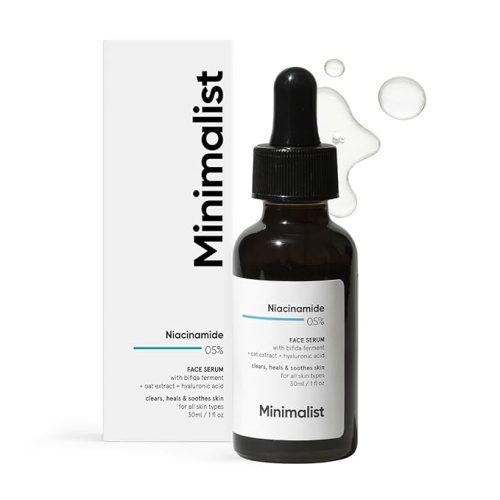
Niacinamide: Often paired with Vitamin C for its anti-inflammatory and skin-brightening properties, though some users prefer to apply them at different times to avoid irritation Vitamin C Face Serum.
Expert Tips for Getting the Most Out of Your Vitamin C Serum
1. Patch Test First
Especially for first-time users or those with sensitive skin, apply a small amount of serum on the wrist or behind the ear to check for adverse reactions before applying to the face.
2. Store Properly
Vitamin C oxidizes quickly when exposed to air, heat, or light. Store your serum in a cool, dark place, preferably in an airtight, opaque bottle to maintain potency.
3. Layering Skincare
Apply Vitamin C serum on clean, dry skin before moisturizer and sunscreen. If using multiple serums, apply from thinnest to thickest consistency. Vitamin C should go on early in your routine to maximize absorption.
4. Consistency is Key
Visible results from Vitamin C serum usually appear after 4-6 weeks of consistent use. Patience and daily application are crucial for skin transformation.
5. Morning Use Preferred
Vitamin C serum provides antioxidant protection against daily environmental damage, making morning application ideal. Follow with broad-spectrum SPF for enhanced sun protection.
Common Myths About Vitamin C Serum
Myth 1: Vitamin C Serum Works Instantly
While Vitamin C can give an immediate boost to skin radiance, significant changes in texture, tone, and aging signs take time — usually several weeks of regular use.
Myth 2: Higher Concentration Always Means Better Results
Higher concentrations (20% or more) can be more potent but also more irritating. Many people see excellent benefits with 10-15%, especially with stabilized derivatives.
Myth 3: Vitamin C Serum Is Only for Anti-Aging
Vitamin C benefits all skin ages and types — from teenagers with acne scars to mature skin seeking firmness and glow.
Frequently Asked Questions (FAQs)
Q: Can I use Vitamin C serum with other actives like retinol or AHAs?
A: Yes, but introduce these gradually. Many prefer Vitamin C in the morning and retinol/AHAs at night to minimize irritation.
Q: Can Vitamin C serum cause breakouts?
A: Pure Vitamin C generally doesn’t clog pores, but formulations with heavy oils or silicones might. Choose non-comedogenic serums if you have acne-prone skin.
Q: How long does a Vitamin C serum bottle last?
A: Usually 1-3 months if stored properly. Oxidation can shorten shelf life, so discard if color changes from clear to yellow or brown.
Q: Can men use Vitamin C serum?
A: Absolutely! Vitamin C serum is unisex and beneficial for all genders.
Advanced Usage: Combining Vitamin C Serum with Lifestyle Changes
For best skin health, combine your Vitamin C serum routine with:
-
Healthy Diet: Foods rich in Vitamin C (oranges, strawberries, bell peppers) boost skin health from within.
-
Hydration: Drinking plenty of water enhances skin moisture and texture.
-
Sun Protection: Use sunscreen daily to prevent UV damage that Vitamin C serum helps to repair.
-
Adequate Sleep: Allows skin cells to regenerate and collagen synthesis to peak overnight.
Conclusion
Vitamin C face serum is a versatile, scientifically backed skincare essential that offers a broad range of benefits from brightening and anti-aging to environmental protection and skin repair. With consistent use, correct formulation, and proper skincare layering, it unlocks radiant, youthful, and healthy skin for users of all ages and skin types.
Remember, the key to success lies in choosing a stable, high-quality serum suited to your skin needs, applying it correctly, and maintaining a holistic skincare approach that supports your skin’s natural vitality.
Reviews
There are no reviews yet.