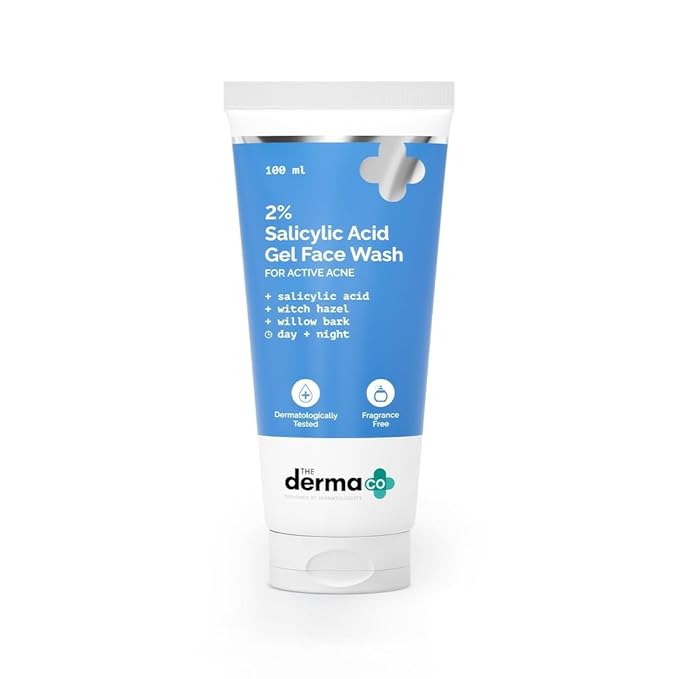
Sweat + oil builds up; a gel wash rinses off sweat, helps prevent clogged pores. Light fragrance or cooling agents (aloe, mint) in some gels improve comfort after working out.
Introduction
A face wash is one of the foundational steps in a skincare routine. It removes dirt, oil, sweat, makeup residue, pollution particles, and other impurities that accumulate on the skin surface over the day (or overnight). Among all types of cleansers, gel face washes have become especially popular, particularly for people with oily, combination, acne‑prone, or sensitive skin. They offer a balance between effective cleansing and a light touch, avoiding some of the heaviness or potential irritation that richer cream cleansers can cause.
This description will explore what a gel face wash is, how it’s formulated, what skin concerns it addresses, benefits & drawbacks, how to choose one that suits your skin type, application & usage tips for best results, and comparisons with other types of cleansers. After this deep dive, you’ll have a full understanding of gel face washes and know how to pick, use, and evaluate them effectively.
What Is a Gel Face Wash?
A gel face wash (sometimes called a gel cleanser, cleansing gel, face‑wash gel) is a type of facial cleanser with a gel‑based texture. Key features include:
-
Usually water‑based: The majority of the formula is water or water + hydrosols, combined with cleansing agents (surfactants), thickeners/gelling agents, preservatives, stabilizers, and optional beneficial additives (soothing agents, humectants, anti‑acne actives etc.).
-
Transparent or semi‑transparent appearance (though some are colored or tinted).
-
Medium viscosity: more “slimy” or thick than liquid cleansers but lighter than creams, balms or milks.
-
Ability to produce lather or foam (depending on the surfactant system) but often less foamy than heavy foam washes, or can be mild foaming.
-
Tends to rinse off cleanly, leaving the skin feeling refreshed, not weighed down.
Because of their texture and behavior, gel face washes are especially suited for certain skin types or environmental conditions where oil, sweat, or perspiration are more of a concern. But formulations vary a lot, and good gel face washes also come with hydrating or soothing ingredients so that they don’t over‑dry or irritate.
Key Ingredients & Their Functions
To understand how a gel face wash works and how to evaluate one, it’s important to know common ingredient types, their roles, and what trade‑offs might exist.
Here are categories of ingredients often found in gel face washes, along with examples:
| Ingredient Type | Purpose / Role | Examples & Effects |
|---|---|---|
| Water / Hydrosols | Acts as the base solvent; dissolves water‑soluble ingredients, allows mixing; gives the gel its fluid medium. | Purified / deionized water, floral waters / hydrosols (rose water, lavender, etc.). These ensure cleanliness and stability. |
| Surfactants (Cleansers / Detergents) | These are the workhorses: they reduce surface tension, lift oil/dirt/sebum, emulsify them so they can be rinsed off. | Mild surfactants: decyl glucoside, coco‑betaine, cocamidopropyl betaine, lauroyl sarcosinate, etc. Stronger ones: SLS, SLES (but many gel washes avoid or limit these). The choice influences foam, cleansing strength, and irritation risk. |
| Thickeners / Gelling Agents | Provide the gel texture, stabilize the product, control viscosity. | Carbomer, xanthan gum, hydroxyethylcellulose, sclerotium gum, etc. These make it feel gel‑like rather than watery. |
| Humectants & Moisturizers | Help to maintain hydration, reduce the risk of drying; prevent tightness after washing. | Glycerin, hyaluronic acid (or its salts), propylene glycol, aloe vera, panthenol (vitamin B5), sodium PCA. |
| Soothing / Anti‑irritant Agents | Reduce redness, calm the skin, help with sensitive skin, reduce sting. | Aloe vera, chamomile, green tea, certain botanical extracts, niacinamide, calendula, allantoin. |
| Active Ingredients for Specific Skin Concerns | For acne, oil control, exfoliation, etc. | Salicylic acid (BHA), glycolic acid (AHA), tea tree oil, benzoyl peroxide (less common in gel washes but present in some medicated cleansers), sulfur etc. These help with breakouts, clogged pores, oily skin. |
| pH Adjusters | The skin’s natural pH is mildly acidic (≈ 4.5‑6.5). Cleansers with pH too high or too low can disrupt the barrier. | citric acid, sodium hydroxide, etc. Good gel cleansers aim for a pH around 5‑7. |
| Preservatives & Stabilizers | Keep the formula from spoiling, prevent microbial growth. | Phenoxyethanol, ethylhexylglycerin, potassium sorbate, sodium benzoate, etc. Important especially since gels have a lot of water content. |
| Fragrance / Essential Oils (optional) | For sensory appeal. However, these carry risk of irritation, especially for sensitive skin. Some formulations are fragrance‑free. | Natural essential oils or synthetic fragrances; many people prefer unscented versions. |
Benefits of Using a Gel Face Wash
Here’s what users and dermatologists report as advantages of gel face washes when they’re properly formulated and suited to the skin type:
-
Effective Cleansing of Oil & Impurities
Gel cleansers often handle oily, sweaty, or acne‑prone skin well. They can remove excess sebum, dirt, pollution particles, and sweat without resorting to very harsh detergents. -
Refreshing Feel & Lightweight Texture
Because they are lighter, gel washes feel clean, bright, fresh. They often rinse off easily without leaving a heavy film. This can make them more comfortable, especially in hot or humid climates. -
Less Likely to Be Comedogenic
Since they are water‑based and often with mild surfactants, well‑made gels are less likely to clog pores compared to heavy creams or oil‑rich cleansers. -
Good for Acne‑Prone & Combination Skin
Many gel cleansers include acne‑fighting or oil‑regulating ingredients (like salicylic acid), and their oil‑control capacity helps reduce breakouts. -
Versatility
Gel face washes can be used morning and night. They serve well under makeup or sunscreen, helping remove grime without over‑stripping. Some are mild enough to use daily. -
Improved Skin Texture Appearance
With regular use, they can help reduce dullness by removing dead skin build‑up, improve pore appearance, reduce congestion, leaving skin smoother. -
Better Compatibility with Active Ingredients
If you use serums, acids, retinoids etc., a gentle gel face wash helps prepare skin without adding too much additional irritation. -
Ideal Seasonal Use
Gel face washes are often preferred in warmer months, or for people in hot, humid environments, when oil and sweat are more of an issue.
Possible Drawbacks / Limitations
No product is perfect; gel face washes also have trade‑offs. Being aware of these helps you use them more wisely and avoid issues.
-
Potential to Dry or Over‑Strip
If the formulation has strong surfactants, high cleansing power, without enough humectants or moisturizers, it can remove too much natural oil, leaving skin feeling tight, flaky, or irritated. -
May Not Remove Heavy Makeup / Sunscreen Fully
Gel cleansers are not always sufficient to take off waterproof makeup or thick sunblocks. Double cleansing (oil/balm first, then gel) is often needed in those cases. -
Irritation Risk with Active Ingredients
If the gel contains strong acids, exfoliants, or essential oils, there’s potential for irritation, especially for sensitive skin. -
Fragrance or Essential Oils Can Irritate
Some gels have scents which may not agree with everybody’s skin. -
Incorrect pH
If the product’s pH is too alkaline (high) or too acidic, it can damage skin barrier, leading to dryness, irritation, or increased sensitivity. -
Overuse
Washing too often, or using gel cleansers with high potency, can stress the skin. Balance is key.
How to Choose a Good Gel Face Wash (for Your Skin Type)
To pick the right gel face wash, you should consider your skin’s needs, sensitivities, and daily habits. Below are criteria and tips.
1. Skin Type & Concerns
-
Oily Skin: Look for gel washes that are oil‑control, non‑comedogenic, with mild to moderate surfactants; often with salicylic acid, tea tree, or ingredients targeting sebum regulation.
-
Combination Skin: A formula that balances oil control (especially in T‑zone) with hydration for drier areas. Mild surfactants, humectants, possibly alternating routines (lighter gel at night or morning, more emollient gel if needed).
-
Dry Skin: Use gel cleansers with more humectants (hyaluronic acid, glycerin), added soothing agents, minimal or no fragrance, mild surfactants. Avoid those that foam excessively or have harsh detergents.
-
Sensitive Skin: Choose fragrance free, alcohol free, low or no essential oils; patch test; avoid high strength exfoliants or acids unless prescribed. Soothing botanicals (aloe, chamomile), minimal irritants in the ingredient list.
-
Acne‑Prone Skin: Look for gels with gentle BHA/AHA (e.g. salicylic acid), antibacterial components (e.g., tea tree, neem), non‑comedogenic surfactants, maybe formulation that helps reduce inflammation.
2. Ingredient Quality
-
Mild surfactants vs harsh ones (avoid harsh sulfates if possible).
-
Presence of humectants, moisturizers.
-
Soothing and barrier‑supporting compounds.
-
pH around 5‑7 for gentle compatibility.
-
Good preservative system.
-
If fragrance/essential oils, check if likely to irritate.
3. Texture & Finish
-
Do you prefer foamy texture or more minimal foam?
-
Lather vs just a gel slip.
-
How does it feel after rinsing: tight, squeaky, or comfortable & soft?
4. Packaging & Hygiene
-
Tube, pump, squeeze‑tube, or jar? Pump or squeeze or tube is more hygienic.
-
Opaque packaging vs clear (if product has light‑sensitive ingredients).
5. Value & Frequency Needs
-
How much do you wash per day (morning + night etc.)?
-
Is it affordable if used frequently?
-
Does it come in sizes that make sense for travel etc.?
Usage & Application Tips
Using gel face wash correctly maximizes its benefits and reduces risks. Here are recommended steps and practices:
-
Pre‑Cleansing (if needed)
If you wear heavy makeup, lipstick, waterproof sunscreen or a lot of build up, start with a makeup remover, cleansing oil, balm, or micellar water to break down heavy or oil‑based products. -
Dampen Skin
Splash face with lukewarm water. Gel cleansers work better on slightly wet skin (helps with spread and lather). -
Dispense Appropriate Amount
Usually a pea‑sized or dime‑sized amount is sufficient, depending on concentration. -
Lather / Massage Gently
Use fingertips to massage gently in circular upward motion, for about 20‑30 seconds, especially in oil‑producing areas like T‑zone. Be gentle; avoid tugging or scrubbing roughly. -
Pay Attention to Problem Areas
If you have clogged pores, oily zones, or acne spots, focus lightly on those areas without overworking. -
Rinse Thoroughly
Use lukewarm water. Ensure all gel is washed off (especially around hairline, jawline, under chin). Any residue can irritate skin. -
Dry & Follow with Skincare
Pat dry with clean towel. Then follow up with toner / essence / moisturizer / sunscreen depending on time of day. -
Frequency
Twice a day is typical—morning to refresh, night to remove accumulated impurities. In morning you might use a gentler version; at night may need somewhat stronger cleansing if you’ve applied sunblock or makeup. -
Storage & Shelf Life
Keep container closed, store in moderate temperatures. Gel washes are water‑rich, so preservative integrity matters. Discard if smell or color changes. -
Patch Testing
Especially if you have sensitive skin or history of reaction. Apply a small amount behind ear or jawline for 24 hours to check for irritation.
Gel Face Wash vs Other Types of Cleansers: Comparison
To understand what gel face wash does well (and where it falls short), here’s a comparison with cream cleansers, foam cleansers, oil/balm cleansers etc.
| Property / Feature | Gel Face Wash | Cream / Milk Cleansers | Foam Cleansers | Oil / Balm Cleansers |
|---|---|---|---|---|
| Texture & Feel | Light, refreshing, gel → often some foam or lather; feels cool or light | Rich, creamy, more moisturizing, often thicker, emollient | Very foamy, more bubbles / lather; may feel more “squeaky” | Oily/slippery texture; melt makeup, very gentle on barrier |
| Cleansing Strength | Moderate to strong; good for oil, sweat, surface grime | Gentle; great for dry or sensitive skin; less stripping | Can be strong; risk of over‑stripping or drying | Strong removal of heavy makeup / oil; often used as first step in double cleansing |
| Finish on Skin | Clean, possibly slight tightness; often non‑greasy | Soft, dewy, comfortable | Can feel squeaky / very clean, possibly over‑cleaned | Leaves slide; may need follow up cleanser so oil doesn’t remain |
| Suitability for Oil / Acne‑Prone Skin | Very suitable; helps control sebum; often with acne‑friendly actives | Risk of leaving some residue; may be too mild for heavy oil | But needs balanced surfactants; too much foam with strong detergents can irritate | Good for heavy makeup / sunscreen; but more steps required |
| Suitability for Dry / Sensitive Skin | Needs to be mild, with humectants and minimal irritants; some gels are unsuitable | Generally better; more nourishing ingredients | Potentially too harsh if surfactants are strong | Very gentle; especially when emulsified properly; however, can be heavy or leave feeling oily |
| Makeup Removal Efficacy | Moderate; often needs additional removal step for waterproof / long‑wear products | Sometimes used in double cleanse; often gentle | Foam versions often focus less on heavy makeup removal | Best for initial makeup / sunscreen removal step |
What to Look for / Avoid: Ingredient Checklist
Here is a checklist for what to prefer and what to avoid when selecting a high‑quality gel face wash.
Prefer:
-
Mild, gentle surfactants (e.g. glucoside‑based, betaine‑based, lauroyl sarcosinate, etc.)
-
Humectants & moisturizers (glycerin, hyaluronic acid, aloe, panthenol etc.)
-
Soothing / anti‑inflammatory agents (niacinamide, green tea, chamomile etc.)
-
pH close to skin’s natural (≈5‑6)
-
Clear labeling of non‑comedogenic, fragrance‑free if needed
-
Good preservative system
-
Avoidance of harsh sulfates (SLS) in strong concentrations if you have sensitive or dry skin
Avoid / be cautious with:
-
Harsh detergents or strong surfactants (high SLS, SLES) Gel Face Wash
-
Strong chemical exfoliants in combination with other actives unless you know your skin tolerates them Gel Face Wash
-
Heavy fragrance or allergenic essential oils if sensitive skin Gel Face Wash
-
High alcohol content (can dry skin or disrupt barrier) Gel Face Wash
-
Very high pH formulations Gel Face Wash
Safety, Sensitivities, & Ethical Considerations
-
Always check for potential allergens. Even botanicals or “natural” ingredients can irritate some people.
-
Patch test especially if trying a new gel wash with active ingredients.
-
If you are using prescriptions or actives like retinoids or acids, consider using gentler washes on days you apply those.
-
Check cruelty‑free / vegan labeling if that is important to you.
-
Be mindful of packaging to avoid contamination (don’t dip dirty fingers in jar; prefer tubes or pumps).
-
Check expiry date and discard if appearance or smell changes.
Real‑Life Use Cases & User Experience
To ground this in practical experience, here are example scenarios and what users often report.
Morning use:
You wake up, face may have oil, sweat, maybe light residue from night creams. A gel face wash helps to refresh skin, remove residual oils, and prepare it for serums / moisturisers without feeling heavy. Users often feel “awake” after using a cooling or lightly scented (or unscented) gel.
Night routine / after outdoor exposure:
After sunscreen, makeup, pollution, sweat, etc., a gel wash (often paired with an oil or balm cleanser first) helps remove surface grime. For those with acne, this is the time to use active‑ingredient gels that help with breakouts (e.g. salicylic acid). Skin may feel more clean, but it’s important to follow up with moisturiser so barrier isn’t compromised.
After workout / gym:
Sweat + oil builds up; a gel wash rinses off sweat, helps prevent clogged pores. Light fragrance or cooling agents (aloe, mint) in some gels improve comfort after working out.
Seasonal variation:
In summer, heavy creams may feel too much; gel washes help lighten routine. In cooler or drier seasons, you may need more hydration support (use hydrating moisturisers; occasionally alternate with cream cleanser).
When introducing new active actives:
If you add something like benzoyl peroxide, retinol, strong acids, etc., using a gentle gel wash helps avoid compounding irritation.
Reviews
There are no reviews yet.