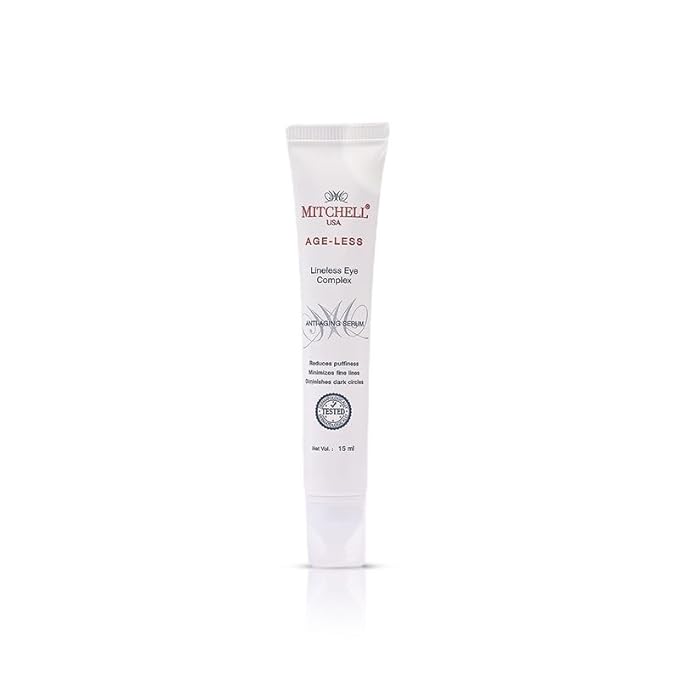
Minimizes eye puffiness, fine lines and wrinkles
1. What Is an Eye Serum for Dark Circles
An eye serum for dark circles is a skincare product specifically formulated to treat the under‑eye area, particularly the discoloration (“dark circles”) that appears beneath the eyes. Serums are lighter than creams, typically with smaller molecular weight actives, allowing better penetration. These serums aim to:
-
lighten pigmentation
-
reduce puffiness/swelling
-
strengthen delicate under‑eye skin
-
improve hydration and elasticity
-
reduce appearance of fine lines
Unlike general face creams, eye serums often avoid heavy oils, fragrances, or potential irritants, because the skin under the eyes is much thinner, more fragile, and more prone to sensitivity.
2. Causes of Dark Circles
To understand what an eye serum needs to address, it’s important to know what causes dark circles. Multiple factors often coexist. Key causes include:
-
Genetics & Heredity
Some people naturally have thinner skin under the eyes, or more pigment in that area. The visibility of blood vessels, or predisposition for pigmentation, can run in families. Cleveland Clinic+2Healthline+2 -
Ageing / Skin Thinning
With age, collagen and fat reduce, skin becomes thinner and loses elasticity, making underlying blood vessels or shadows more visible. Healthline+1 -
Sleep Deprivation & Fatigue
Lack of sleep or poor quality sleep can lead to more visible blood vessels, dull skin, puffiness that casts shadows, making dark circles worse. Healthline+1 -
Hyperpigmentation
Increased melanin production due to sun exposure, inflammation, allergies (e.g. rubbing), or conditions like atopic dermatitis can cause dark brown or tan coloration under the eyes. Mayo Clinic+1 -
Allergies & Eye Irritation
Histamine release, rubbing or scratching can lead to inflammation, breakage of capillaries, pigmentation; also swelling. Healthline+1 -
Dehydration & Poor Skin Barrier
When skin is dehydrated, it appears dull; fine lines become more visible; shadows more noticeable. Weak barrier allows irritants in, further pigmentation. Healthline -
Sun Exposure / UV Damage
UV rays stimulate melanogenesis, cause pigmentation and damage to skin and underlying vessels. Under‑eye skin often gets sun exposure via reflection etc. Mayo Clinic+1 -
Lifestyle Factors
Smoking, alcohol, poor diet, stress contribute to oxidative damage, reduced circulation, inflammation — all worsening the appearance of dark circles. Healthline+1 -
Structural / Anatomical Factors
Tear troughs (hollows under the eye), loss of fat pads, shadows from nasal bridge or facial bones. These are harder to correct with topical treatments entirely. Cleveland Clinic+1
3. What an Eye Serum Needs to Do (Mechanism of Action)
To address dark circles effectively, an eye serum usually seeks to do one or more of the following:
-
Reduce pigmentation: inhibit melanin production, or reduce existing pigment (e.g. via Vitamin C, kojic acid, niacinamide)
-
Reduce swelling / puffiness: caffeine, cooling agents, peptides, ingredients that improve lymphatic drainage
-
Strengthen capillaries / reduce vascular discoloration: by reducing inflammation, encouraging circulation, using retinoids or actives that support vascular health
-
Increase hydration & plump skin: hyaluronic acid, squalane, ceramides to make skin thicker/plumper so veins are less visible
-
Provide antioxidant protection: UV filters or antioxidant ingredients to prevent further damage (sun, pollution)
-
Support skin barrier & reduce irritation: soothing agents, anti‑inflammatory ingredients, low irritation formulations
4. Key Ingredients Commonly Used in Eye Serums for Dark Circles
Here are many of the active ingredients you’ll often find, with their roles, pros, and cons. A good serum often uses a combination rather than single actives.
| Ingredient / Class | What It Does | Typical % / Considerations | Potential Risks / Things to Check |
|---|---|---|---|
| Vitamin C (Ascorbic Acid, derivatives) | Helps inhibit melanin production, brightens, antioxidant; reduces pigmentation and dullness. | Pure form ~5‑15%; derivatives less irritating but slower acting. | Can sting; unstable to light/air; formulations need stabilization. |
| Niacinamide (Vitamin B3) | Reduces melanin transfer, strengthens barrier, anti‑inflammatory; reduces redness and hyperpigmentation. | Often 2‑10%. | Usually well tolerated; high % may tingle or sting for sensitive skin. |
| Caffeine | Vasoconstrictor (temporarily reduces swelling), antioxidant; helps with puffiness and dark circles that are vascular or caused by fluid. | 0.5‑5% often. | Can irritate some; avoid contact with eyes. |
| Retinol / Retinal / Retinoids | Boosts collagen, speeds cell turnover; can thin down pigmented layers, reduce lines. | Usually low %; used at night; retinol gradually introduced. | Can irritate, increase sensitivity, cause dryness; sun sensitivity increased. |
| Peptides | Signal repair, increase collagen, reduce sagging and fine lines; may also improve circulation or support vascular integrity. | Varies; often small actives like Palmitoyl peptides. | Usually safe; more gradual effect. |
| Hyaluronic Acid & Humectants | Hydration, plumping, making skin less hollow, reducing shadow appearance. | Often included as support ingredient. | Usually safe; thicker formulations may pill under makeup. |
| Alpha Hydroxy Acids (e.g. Glycolic, Lactic) | Mild exfoliation to remove dead/dull skin; brighten overall tone. | Low % near under‑eye; avoid strong usage. | Can irritate; avoid in sensitive / thin skin; always use sunscreen. |
| Kojic Acid, Licorice Extract, Arbutin, Alpha Arbutin | Pigment lightening by inhibiting tyrosinase. | Usually small %. | Some risk of irritation; ensure stability; patch test. |
| Haloxyl (or similar peptide complexes) | Specific peptides shown to reduce dark circles via improving dark pigments, draining fluid, etc. | Specialized actives; usually branded %. | Cost; need consistent use. |
| Plant Extracts & Natural Antioxidants (Green Tea, Goji Berries, Coffee, Papaya, etc.) | Antioxidant, anti‑inflammation; coffee also helps de‑puff via caffeine. | Varies. | Natural extracts may still cause allergies; quality / purity matters. |
Examples from current products:
-
Bioever Under Eye Serum uses Caffeine, Hyaluronic Acid, Ceramide to reduce dark circles, puffiness, fine lines. Bioever
-
Loreal Paris Glycolic Bright Eye Serum uses glycolic acid, Vitamin C, niacinamide and a special applicator; claims ~‑49% dark circle reduction in 2 weeks. L’Oréal Paris
-
Kiehl’s Powerful‑Strength Dark Circle Reducing Vitamin C Eye Serum uses 10.5% pure vitamin C + Haloxyl. Kiehl’s India
-
“Soror’s Under Eye Serum” uses coffee, almond, licorice & natural oils; claims visible reduction in 1 week. soror.beforelive.in
5. How to Choose a Good Eye Serum for Dark Circles
When selecting an eye serum, here’s what you should consider to get results that are both effective and safe:
-
Identify the type / cause of your dark circles
-
Pigmentation/hyperpigmentation (brownish hue)
-
Vascular/hyaline (bluish / purplish) caused by blood vessels or thin skin
-
Structural or hollow (shadow from anatomy)
-
Mixed causes
If it’s pigment‑based, actives like Vitamin C, niacinamide, kojic acid help. If vascular, caffeine, cooling agents, and thickening skin help more. Hollow often needs filler or cosmetic procedures. Lifestyle & sleep also matter. Healthline+1
-
-
Look for clinically proven actives
As above (Vitamin C, niacinamide, caffeine, peptides, etc.). Check credible brands, dermatologically tested formulas. -
Gentle, safe formulation
-
Fragrance‑free or low fragrance
-
Alcohol‑free if possible, especially near eyes
-
Low irritant (patch test)
-
Air‑tight, light‑proof packaging (vitamin C degrades under light)
-
-
Texture and absorption
Lightweight serums absorb quickly without heavy residue under makeup. Heavier creams may suffice for very dry skin but might pill. -
Applicator or delivery method
Some serums use roller tips, beads, or cool applicators to help with depuffing. Useful but quality matters. -
Frequency & consistency
Even the best serum won’t instantly correct dark circles. Use morning and night, or as directed, for several weeks. -
Sun protection
Since UV worsens both pigmentation and vascular visibility, you’ll need sunscreen daily. Eye serums alone will not be enough. -
Realistic expectations
If you have anatomical shadows or deep hollowing, topical serums may help but will have limits. Sometimes cosmetic or procedural interventions are needed.
6. How to Use an Eye Serum (Routine, Application Tips)
To get the maximum benefit from your eye serum, application technique and routine matter a lot.
-
Cleanse first: Wash face gently with mild cleanser, remove makeup, pat dry. Under‑eye area must be clean Eye Serum For Dark Circles.
-
Apply a small amount: Serums are potent; a pea‑sized or smaller amount per eye is usually enough. Use ring finger which has lighter touch Eye Serum For Dark Circles.
-
Warm/Dispense properly: If using dropper/roller, ensure you dispense enough without wasting Eye Serum For Dark Circles.
-
Application method: Light tapping/dabbing instead of rubbing. Move from inner corner to outer corner. Some serums recommend massage or roller tip to help with lymphatic drainage Eye Serum For Dark Circles.
-
Morning / Evening routines:
Morning: Use serum, then a good eye cream or moisturizer, then sunscreen Eye Serum For Dark Circles.
Night: Apply serum, then a richer eye cream/moisturizer (if needed) to seal hydration. If using retinol or strong actives, night time is better Eye Serum For Dark Circles. -
Use sunscreen daily: Even your eye serum may have brighteners, but UV exposure can undo benefits.
-
Allow patience & consistency: Many products promise visible change in 2‑4 weeks; pigment changes are slower Eye Serum For Dark Circles.
-
Avoid irritation: If you feel stinging, burning, swelling, stop using. Limit strong actives (like acids or retinoids) at first until skin adjusts Eye Serum For Dark Circles.
7. Realistic Timeline & What to Expect
-
Immediate / First Use: Minor temporary reduction in puffiness (especially if serum has caffeine, cooling effect), hydration so skin looks smoother. Might feel refreshed Eye Serum For Dark Circles.
-
1‑2 Weeks: Slight brightening, maybe less “darkness” especially if due to pigmentation or fatigue. Lines may look smoother Eye Serum For Dark Circles.
-
3‑4 Weeks: More noticeable difference in tone, reduction in pigmented circles, better texture, less visible vessels, less shadow from puffiness Eye Serum For Dark Circles.
-
Beyond 4‑8 Weeks: If used regularly, one can expect sustained improvements; however anatomical structural issues (hollows) may persist unless treated by other means. Maintenance becomes key Eye Serum For Dark Circles.
8. Product Examples & Case Studies
Here are examples of eye serums and what they specifically claim; helps illustrate variety and what works.
-
L’Oréal Paris Glycolic Bright Eye Serum: claims about 49% reduction in dark circles in 2 weeks; includes triple‑bead applicator for depuffing; contains glycolic acid, Vitamin C & niacinamide. L’Oréal Paris
-
Kiehl’s Powerful‑Strength Dark Circle Reducing Vitamin C Eye Serum: 10.5% pure Vitamin C + Haloxyl; for brightening of under‑eye shadows. Kiehl’s India
-
Bioever Under Eye Serum: Lightweight, infused with caffeine, hyaluronic acid, ceramide; works for all skin types; reduces puffiness & dark circles. Bioever
-
Nature Spell Under Eye Serum (Watermelon & Goji Berries): plant‑based; antioxidants; hydrating; claims statistical reduction of dark circle pigmentation & eye bag volume over use. Nature Spell India
-
Soror’s Under Eye Serum (Coffee, Almond, Licorice): natural/plant based; caffeinated / anti‑pigment components; aims visible reduction in 1 week. soror.beforelive.in
These examples show that some products lean more natural, others more clinical; strengths differ: some better at puffiness, others pigment, others hydration Eye Serum For Dark Circles.
9. Limitations & What Eye Serums Cannot Do
It’s equally important to understand the limits so you don’t expect more than a topical serum can deliver.
-
They cannot completely remove dark circles caused by bone structure or deep hollows. Those often require fillers, cosmetic procedures Eye Serum For Dark Circles.
-
Pigmentation from injury, melasma, or genetic melanin may be very stubborn; require medical treatments, stronger actives, possibly laser/peels Eye Serum For Dark Circles.
-
Vascular dark circles (caused by visible blood vessels or poor circulation) may respond less to pigment‑brightening actives; cooling, caffeine, thickening skin helps, but effect is moderate.
-
Effects depend heavily on sleep, diet, sun protection, hydration. Without addressing these, even strong serums may give sub‑optimal results Eye Serum For Dark Circles.
-
Overuse of certains strong ingredients near eyes (acids, retinoids) may lead to irritation, dryness, or even worsen discoloration as skin is damaged Eye Serum For Dark Circles.
-
Some people are sensitive to certain ingredients; patches, allergies, or irritant dermatitis can occur Eye Serum For Dark Circles.
10. Safety, Side Effects, Precautions
To use eye serums safely, following are precautions:
-
Always patch test before first full use (inner arm or behind ear) Eye Serum For Dark Circles.
-
Use small amounts; avoid getting product into the eyes Eye Serum For Dark Circles.
-
If using retinol or acids, introduce gradually (every other night etc.) Eye Serum For Dark Circles.
-
Use sun protection daily: broad spectrum SPF; wear sunglasses; avoid direct UV exposure (sun rays) to eye area Eye Serum For Dark Circles.
-
Avoid using expired products; ensure packaging protects from light and air Eye Serum For Dark Circles.
-
Avoid layering too many strong actives together (e.g. Vitamin C + strong acid + retinol) unless advised; skin can tolerate only so much Eye Serum For Dark Circles.
-
If irritation persists (redness, burning, swelling), discontinue and consult dermatologist.
-
Be cautious during pregnancy or breastfeeding; some strong actives (certain retinoids, strong acids) may need avoiding.
11. Lifestyle & Additional Measures That Help Dark Circles
Serums are only part of the solution. These lifestyle habits significantly complement the effects:
-
Adequate Sleep: 7‑9 hours; maintaining sleep hygiene.
-
Reduce eye strain: limit screen time, use blue light filters, take breaks, ensure proper lighting.
-
Hydrate well: drink enough water; use moisturizers; reduce salt intake (salt can cause fluid retention / puffiness).
-
Sun Protection: Use sunscreen around eyes; wear hats/sunglasses.
-
Diet & Nutrition: Antioxidant‑rich foods, Vitamin K, Vitamin C, iron etc.
-
Manage allergies: If you have allergies (dust, pollen etc.), treating them helps reduce inflammation and hence dark circles.
-
Gentle care: do not rub eyes; wash off makeup gently; use mild cleansers.
12. How to Evaluate Efficacy: What to Look For Over Time
To know whether your serum is working, track markers over time:
-
Does the under‑eye area look less dark / more even toned after 2‑4 weeks?
-
Are fine lines or texture smoother?
-
Is puffiness (especially in morning) reduced?
-
Is the skin hydrated, less crepey, looking plump?
-
Are there fewer complaints of dryness or irritation?
-
Is the serum being absorbed well without irritation?
Often taking “before” photos (under good light) helps to see change.
13. Comparison: Serum vs Cream vs Other Treatments
-
Serum vs Eye Cream:
Serums are lighter, more concentrated, better at penetration; creams tend to be richer, more occlusive, better for sealing moisture. Many use serum first, then cream. -
Topical vs Cosmetic / Professional Treatments:
If dark circles are caused by genetics or anatomical factors, fill‑ins, laser therapy, chemical peels, or dermal fillers might be needed. Serums alone may not suffice. -
Natural / Herbal / Clean options vs Clinical options:
Natural options (coffee, licorice, plant extracts) may be gentler, but act slower or less intensely. Clinical options (retinol, acids, high % Vitamin C, peptides) may work faster but risk irritation. -
Cost vs Benefit: Higher cost doesn’t always guarantee better results. Formulation, actives, concentration, packaging matter.
14. Example Product Comparison Table
| Product | Key Ingredients | Best For | Pros | Cons |
|---|---|---|---|---|
| L’Oréal Glycolic Bright Eye Serum | Glycolic acid + Vitamin C + Niacinamide + triple bead applicator | Pigmentation + puffiness + brighten quickly | Clinically proven % reduction, cooling applicator | Acids may sting; not great for sensitive skin |
| Kiehl’s Powerful‑Strength Vit C EYE | 10.5% pure Vitamin C + Haloxyl | Pigment / dullness | Strong brightening, well‑formulated | May oxidize; risk irritation; price higher |
| Bioever Under Eye Serum | Caffeine, Hyaluronic Acid, Ceramides | Puffiness + fine lines + dark circles; all skin types | Lightweight, clean formulation; good hydration | May need regular reapplication; longer time to show results |
| Soror’s Coffee / Licorice Natural Serum | Coffee infusion, almond, licorice oils | Natural / plant‑based option; mild pigment | Gentle, fewer synthetics; pleasant smell | Slower brightening; oils may not suit all skin types |
| Blue Nectar Niacinamide Plant‑Based Serum | Niacinamide, Papaya, Potato Starch, Ayurvedic herbs | Pigment + puffiness + sensitive skin | Light texture, natural actives | Fragrance or herbal scent may irritate; modest results vs strong actives |
15. Summary & Conclusion
Eye serums for dark circles are specialized skincare treatments designed to target several causes: pigmentation, puffiness, vascular visibility, and thinning/weak skin. A well‑chosen serum with clinically effective ingredients (Vitamin C, niacinamide, caffeine, peptides) combined with good lifestyle, sun protection, hydration, and consistent use over weeks can significantly improve the appearance of dark circles.
But it’s important to be realistic: not all dark circles go away with serums alone — especially if your cause is largely genetic or structural. Safety, gentle formulation, and patience are key. If you see none or minimal improvement, or if irritation persists, consulting a dermatologist is advisable.
Using an eye serum consistently not only helps reduce the appearance of dark circles but also improves the overall health and texture of the delicate under-eye skin. Many serums contain hydrating ingredients like hyaluronic acid that plump the skin, reducing the visibility of fine lines and wrinkles. Additionally, ingredients like peptides support collagen production, helping to firm and strengthen the skin over time. Regular use, combined with gentle massage techniques, can stimulate blood circulation and lymphatic drainage, further reducing puffiness and discoloration. Remember, the key to success is patience and a well-rounded skincare routine that includes sun protection and healthy lifestyle choices.
Reviews
There are no reviews yet.