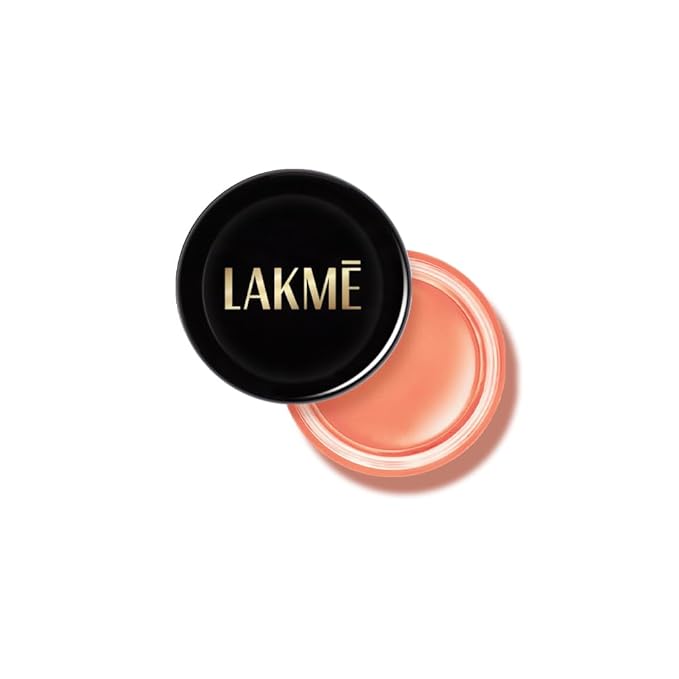
Cover Color Correctors Creams are game-changers in makeup routines, offering targeted, effective solutions to common skin discolorations. With knowledge of color theory, skin type considerations, and expert application methods, you can harness their power to create a radiant.
Introduction
In the realm of makeup and skincare, achieving a flawless complexion often involves more than just foundation and concealer. Discolorations, uneven skin tone, redness, dark circles, and blemishes can all pose challenges for a smooth, radiant finish. Enter Cover Color Correctors Cream—a specialized makeup product designed to neutralize and balance skin tone issues before foundation application.
Color correcting cream is a targeted cosmetic solution that uses color theory to counteract imperfections. By applying hues opposite to problem areas on the color wheel, color correctors cancel out unwanted tones, resulting in a more even canvas for foundation and concealer.
What Are Cover Color Correctors Creams?
Cover Color Correctors Creams are pigmented creams formulated to neutralize specific skin discolorations such as redness, sallowness, dark circles, dullness, and hyperpigmentation. Unlike traditional concealers, which primarily cover imperfections with a shade close to the skin tone, color correctors work by canceling out unwanted colors beneath the skin surface.
They come in a variety of shades, each designed to target different skin concerns, and their creamy texture allows for easy blending and layering under or over foundation. These creams are typically highly pigmented but blendable, offering strong coverage with minimal product.
How Do Color Correctors Work?
Color correctors function based on the principles of the color wheel, where opposite colors neutralize each other. Here is how different shades counteract specific skin imperfections:
-
Green Corrector: Neutralizes redness, such as acne, rosacea, and blemishes.
-
Purple/Lavender Corrector: Brightens dull, yellowish, or sallow skin tones.
-
Yellow Corrector: Conceals purple or blue undertones such as dark circles or bruising.
-
Peach/Orange Corrector: Corrects blue or dark purple under-eye circles, especially on medium to dark skin tones.
-
Pink/Salmon Corrector: Brightens and counteracts dark circles, ideal for fair to light skin tones.
-
Red Corrector: Used mainly for very deep skin tones to neutralize blue or gray shadows.
-
Blue Corrector: Used to cancel out orange or overly warm tones.
Applying the correct shade helps create a balanced and even-toned complexion, reducing the need for heavy foundation or concealer layers.
Benefits of Using Cover Color Correctors Cream
1. Targeted Problem Solving
Unlike foundation or concealer alone, color correctors allow you to address multiple skin concerns precisely. For example, you can apply green on acne spots and peach under eyes simultaneously Cover Color Correctors Cream.
2. Reduces the Need for Heavy Concealers
By neutralizing color, correctors minimize the amount of concealer needed, resulting in a more natural, less cakey look Cover Color Correctors Cream.
3. Enhances Overall Complexion
Corrected skin appears brighter and more even-toned, enhancing the overall radiance and smoothness of the complexion Cover Color Correctors Cream.
4. Customizable Coverage
Creamy texture allows buildable coverage, giving control over how much correction is applied based on the severity of discoloration Cover Color Correctors Cream.
5. Versatile for All Skin Types
Most color correctors are formulated to suit various skin types, including oily, dry, and sensitive skin Cover Color Correctors Cream.
6. Multi-Use
Some creams can be used alone for light correction or layered under foundation for stronger effects Cover Color Correctors Cream.
Key Ingredients in Cover Color Correctors Cream
The effectiveness and skin benefits of color correctors largely depend on their ingredients. While formulations vary by brand, common components include:
-
Pigments: Provide the color necessary for correction, including mineral-based pigments that are gentle on skin Cover Color Correctors Cream.
-
Moisturizing Agents: Ingredients like glycerin, hyaluronic acid, or natural oils ensure the cream glides smoothly without drying the skin Cover Color Correctors Cream.
-
Silicones: Such as dimethicone help with smooth application and create a soft-focus effect Cover Color Correctors Cream.
-
Light-Reflecting Particles: Micronized mica or pearl powders help brighten and illuminate the skin Cover Color Correctors Cream.
-
Skin Soothers: Aloe vera, chamomile, or green tea extract calm irritated or sensitive skin Cover Color Correctors Cream.
-
SPF: Some formulas include sun protection to safeguard delicate areas from UV damage Cover Color Correctors Cream.
Types of Cover Color Correctors Cream
1. Cream-Based Correctors
Cream color correctors have a smooth, blendable texture that works well under makeup or alone. They offer medium to full coverage and are suitable for most skin types.
2. Liquid Correctors
Lightweight and easy to blend, liquid correctors are great for a subtle correction and can be layered with foundation. They’re often preferred for dry or mature skin due to their hydrating nature.
3. Stick or Crayon Correctors
Highly pigmented and convenient for targeted application. Stick correctors are portable and ideal for spot correction but may require blending with fingers or brushes.
4. Palette Sets
Multiple shades in one palette offer versatility to address various concerns and allow custom mixing to achieve the perfect tone.
How to Use Cover Color Correctors Cream Effectively
Step 1: Identify Your Skin Concerns
Determine which color corrector shade corresponds to your skin issues, e.g., green for redness, peach for dark circles.
Step 2: Prep Your Skin
Start with a clean, moisturized face. Apply primer to smooth the surface for even application.
Step 3: Apply Corrector
Using a clean finger, brush, or sponge, dab the corrector on the targeted areas. Avoid heavy application—start light and build if needed.
Step 4: Blend
Gently blend the edges using a damp makeup sponge or your fingertip, ensuring a seamless transition to the surrounding skin.
Step 5: Apply Foundation and Concealer
Layer your foundation over the corrected areas using a stippling or pressing motion to avoid disturbing the product. Finish with concealer if needed for additional coverage.
Step 6: Set with Powder
Lightly dust translucent setting powder to lock the makeup in place.
Tips for Best Results
-
Use color correctors sparingly—too much product can be difficult to blend and may cause cakiness.
-
For under-eye correction, use peach or pink shades to brighten the area and follow with a hydrating concealer.
-
Match corrector tones carefully to your skin color and the specific discoloration.
-
Use clean brushes or sponges to avoid contamination.
-
Choose waterproof or long-wear formulas for all-day durability.
Who Should Use Cover Color Correctors Cream?
-
Individuals with redness caused by acne, rosacea, or irritation.
-
Those with dark circles or discoloration under the eyes.
-
People dealing with hyperpigmentation, sunspots, or uneven skin tone.
-
Anyone looking to brighten dull or tired-looking skin.
-
Makeup artists and enthusiasts aiming for a flawless base.
How to Choose the Right Color Corrector
Choosing the right shade depends on your unique skin concerns and tone:
-
Fair Skin: Light peach, pink, or lavender shades work well.
-
Medium Skin: Peach, yellow, or green shades help balance tones.
-
Deep Skin: Rich orange, red, and deep yellow correctors are more effective.
-
Redness: Green correctors neutralize red spots.
-
Dark Circles: Peach, orange, or pink correctors counteract blue/purple tones.
-
Dullness: Lavender or purple brighten yellow undertones.
Potential Challenges and Solutions
-
Over-Application: Avoid heavy layers by applying thin coats and blending thoroughly.
-
Wrong Shade Choice: Test shades in natural light before purchase.
-
Dryness: Use hydrating primers and moisturizing formulas.
-
Cakey Finish: Blend well and set lightly with powder to prevent settling into fine lines.
Popular Brands and Products
-
LA Girl Pro Conceal HD Corrector
-
NYX Professional Makeup Color Correcting Palette
-
Bobbi Brown Corrector
-
Maybelline Master Camo Color Correcting Kit
-
L.A. Colors Corrector Cream
Conclusion
Cover Color Correctors Cream is an indispensable tool in the makeup routine for anyone looking to achieve a perfectly balanced and radiant complexion. By understanding the principles of color correction, selecting the right shades, and applying them skillfully, you can neutralize discolorations effectively, reduce reliance on heavy foundation or concealer, and create a flawless base for the rest of your makeup.
The versatility, skin benefits, and customizable nature of these creams make them suitable for all skin types and tones, offering a professional-grade finish that enhances natural beauty and confidence.
Advanced Application Techniques for Cover Color Correctors Cream
Mastering the use of color correctors can elevate your makeup game significantly. Here are some advanced techniques to get the most out of your color correcting cream:
1. Multi-Layer Correction
Some skin concerns require layering different corrector shades to fully neutralize discoloration. For example, stubborn dark circles might need a peach or orange base to cancel the blue tones, followed by a subtle yellow corrector to brighten the under-eye area. Apply the first corrector, blend, then gently tap the second corrector on top before applying concealer.
2. Targeted Spot Correction
Instead of applying corrector to large areas, spot-correct only the specific blemishes or patches of discoloration. Use a fine-tipped brush or a cotton swab to apply a small amount of cream directly on the spot. This technique prevents the face from looking overly done and maintains a natural finish.
3. Blending with Tools
-
Fingertips: The warmth of your fingers melts the cream into the skin for natural blending, ideal for delicate areas like under the eyes.
-
Beauty Sponge: Use a damp sponge for a soft-focus effect, especially over larger areas.
-
Brushes: Flat or synthetic brushes provide precision for small areas or blending edges seamlessly.
4. Mixing with Foundation or Moisturizer
For those seeking lighter correction or a more dewy finish, mixing a small amount of corrector cream into your foundation or moisturizer can create a tinted base that subtly balances skin tone while maintaining hydration.
5. Setting Correctors
To avoid creasing and ensure long-lasting wear, always set your color correctors with a finely milled translucent powder using a light patting motion. Avoid sweeping motions that might disrupt the correction underneath.
The Science Behind Color Correction
Understanding the science of color correction can help you appreciate why certain shades neutralize specific skin tones effectively.
Color Theory Basics
The color wheel is a visual representation of colors arranged according to their chromatic relationship. Colors opposite each other on the wheel cancel each other out.
-
Red and Green: Redness from acne or broken capillaries can be neutralized by green correctors.
-
Blue and Orange: Blue or purple dark circles cancel out with orange or peach tones.
-
Yellow and Purple: Sallow or dull skin tones are brightened by purple correctors.
Skin Undertones and Color Correction
Your natural skin undertone (cool, warm, or neutral) influences how color correctors appear once blended. Cool undertones can be enhanced by purple shades, while warm undertones respond well to peach and yellow.
Skin Type Considerations
Different skin types require tailored approaches for color correction to avoid irritation, dryness, or oiliness.
Oily Skin
Choose oil-free, mattifying color correctors that absorb excess oil without clogging pores. Look for non-comedogenic formulas that include mattifying agents or silica.
Dry Skin
Hydrating correctors with ingredients like hyaluronic acid or glycerin help prevent dryness and flaking. Cream formulas with a luminous finish provide extra moisture and natural glow.
Sensitive Skin
Fragrance-free, hypoallergenic correctors with soothing botanical extracts such as aloe vera or chamomile minimize the risk of irritation or allergic reactions.
Mature Skin
Use lightweight, hydrating correctors that do not settle into fine lines or wrinkles. Avoid heavy layering and focus on gentle blending to maintain skin’s natural texture.
Seasonal and Environmental Effects on Color Correctors
Environmental factors and seasons can impact how color correctors perform and how your skin reacts to them.
Summer
In hot and humid weather, sweat and oil production increase. Opt for waterproof, long-wear, and oil-absorbing formulas to prevent slipping or melting of the product.
Winter
Dry air and indoor heating can make skin flaky or patchy. Use moisturizing correctors and prep skin with rich hydration to maintain smooth application.
Pollution
Pollution can exacerbate redness and dullness. Correctors with antioxidants help protect and soothe the skin while correcting tone.
Insights from Professional Makeup Artists
Makeup artists rely heavily on color correctors to create flawless looks for clients. Here are some expert tips from professionals:
-
Layer Lightly: Always start with a small amount and build coverage gradually to avoid over-correction.
-
Use Multiple Shades: Don’t hesitate to mix different correctors for a custom tone tailored to unique skin concerns.
-
Correct Before Concealing: Apply color correctors before concealer to neutralize underlying tones and enhance coverage.
-
Blend Edges: Use a damp sponge or finger to blend edges seamlessly into the skin to avoid harsh lines.
-
Correct Before Concealing: Apply color correctors before concealer to neutralize underlying tones and enhance coverage.
-
Blend Edges: Use a damp sponge or finger to blend edges seamlessly into the skin to avoid harsh lines.
-
Set Correctors Well: Setting powder is essential to keep correctors in place and prevent creasing throughout the day.
Troubleshooting Common Color Corrector Issues
Even with the best products, issues can arise. Here’s how to solve common problems:
Problem 1: Creasing or Settling Into Fine Lines
-
Solution: Use a lightweight formula and apply a thin layer. Prep the skin with a hydrating primer and set with a finely milled powder.
Problem 2: Color Corrector Looks Too Obvious or Patchy
-
Solution: Blend thoroughly and avoid heavy application. Use a damp sponge to soften edges and create a natural finish.
Problem 3: Product Slides Off or Melts
-
Solution: Use a mattifying primer and waterproof formulas. Set with a good translucent powder for long wear.
Problem 4: Skin Irritation or Breakouts
-
Solution: Check ingredient lists for irritants and opt for hypoallergenic, fragrance-free formulas. Ensure brushes/sponges are clean to prevent bacteria buildup.
Frequently Asked Questions (FAQs)
Q: Can color correctors be used alone without foundation?
A: Yes, especially if you want light correction and a natural look. Apply sparingly and blend well.Q: How do I choose the right shade for my skin tone?
A: Match the corrector shade to the discoloration, not your skin tone. Then blend to suit your complexion.Q: Can men use color correctors?
A: Absolutely! Color correctors are gender-neutral and effective for anyone wanting to even out skin tone.Q: Are color correctors safe for sensitive skin?
A: Many brands offer formulations designed for sensitive skin. Look for labels like “hypoallergenic” and avoid known irritants.
Final Thoughts
Cover Color Correctors Creams are game-changers in makeup routines, offering targeted, effective solutions to common skin discolorations. With knowledge of color theory, skin type considerations, and expert application methods, you can harness their power to create a radiant, even complexion that boosts confidence and beauty Cover Color Correctors Cream.
Whether you are a makeup beginner or a professional artist, understanding and utilizing color correctors effectively elevates your makeup skills and results, making it an essential tool in every beauty kit.
In addition to their corrective benefits, many Cover Color Correctors Creams are now enriched with skin-loving ingredients that not only improve appearance but also nourish and protect the skin. Ingredients such as vitamins, antioxidants, and botanical extracts work to soothe inflammation, boost hydration, and promote skin health over time. Regular use of color correctors can even help reduce the visibility of chronic redness and discoloration by calming the skin and supporting its natural barrier. This makes color correctors a dual-purpose product, combining makeup artistry with skincare benefits—perfect for anyone seeking both beauty and skin wellness in their daily routine Cover Color Correctors Cream.
-
Reviews
There are no reviews yet.