Anti‑wrinkle creams are skincare formulations designed to reduce the appearance of existing wrinkles and prevent new ones, via hydration, stimulation of collagen, antioxidant protection, exfoliation, barrier repair, and UV protection.
1. Introduction
Wrinkles are one of the most visible signs of skin aging. They result from both intrinsic aging (natural, genetic, metabolic processes) and extrinsic aging (UV exposure, pollution, lifestyle factors such as diet, smoking, stress, etc.). An anti‑wrinkle cream is a skincare product formulated to reduce the appearance of fine lines and wrinkles, to help prevent new ones forming, and to improve skin texture, firmness, and overall youthful appearance. It is typically part of a broader anti‑aging skincare regimen Anti-Wrinkle Cream.
Such creams may work via multiple mechanisms:
-
Smoothing existing wrinkles
-
Stimulating collagen / elastin production
-
Providing moisture and plumping up the skin so wrinkles appear less pronounced
-
Protecting skin from oxidative damage (free radicals)
-
Reducing pigmentation or age spots that make skin aging more visible
A good anti‑wrinkle cream balances effectiveness, skin compatibility, and safety. In this description, we’ll explore everything from formulation to usage, so that you know what makes an anti‑wrinkle cream good (or not), and how to use it for the best results.
2. What Causes Wrinkles & Why Anti‑Wrinkle Creams Are Needed
To understand how anti‑wrinkle creams work, it’s useful to understand what causes wrinkles in the first place.
2.1 Intrinsic Aging
-
Loss of collagen and elastin: Collagen provides firmness and structure to skin; elastin provides stretch and recoil. As we age, natural production of these proteins declines, skin volume decreases, and wrinkles form.
-
Slower skin cell turnover: Dead skin cells accumulate; surface texture becomes rougher.
-
Thinning of dermis and epidermis: The skin layers become thinner and less resilient.
-
Reduced hyaluronic acid and natural moisturizing factors: Less moisture retention, leading to dryness, which exacerbates wrinkle appearance.
2.2 Extrinsic Aging
-
UV exposure (photo‑aging): UV A / B rays damage collagen, create reactive oxygen species (ROS), cause pigmentation, degrade structural proteins.
-
Pollution and free radicals: Oxidative stress from the environment contributes to breakdown of skin structure.
-
Lifestyle factors: Smoking, poor diet, lack of sleep, dehydration, facial expressions (smiling, frowning) that repeatedly crease skin.
-
Repeated mechanical stress & gravity: Facial movements, sleeping positions, gravity etc.
Because intrinsic aging is inevitable, anti‑wrinkle creams focus on slowing down the process, repairing damage, and improving appearance, rather than completely stopping aging.
3. What Makes an Effective Anti‑Wrinkle Cream: Key Mechanisms
A good anti‑wrinkle cream often works through multiple mechanisms. The more of these it addresses (well), the better the outcomes.
-
Moisturization / Hydration
Deep hydration smooths the skin’s surface and plumps up fine lines. Humectants like hyaluronic acid, glycerin etc. draw water into the epidermis. Occlusives / emollients retain moisture and seal it in. -
Collagen & Elastin Stimulation
Ingredients that help the skin produce more collagen / elastin, or retard their breakdown, are central. Retinoids, peptides, growth factors, vitamin C, etc. -
Exfoliation / Cell Turnover
Gentle exfoliating agents (alpha hydroxy acids, fruit acids, etc.) help remove dead skin, improve texture, allow better penetration of actives. -
Antioxidant Protection
Rich in antioxidants helps neutralize free radicals formed by UV / pollution. Vitamin C, E, green tea extract, etc. -
Barrier Repair
The skin barrier (stratum corneum + lipids) must be healthy to retain moisture and resist irritation. Ingredients like ceramides, lipids, emollients, etc., help. -
Reduction of Pigmentation / Age Spots
As skin ages, pigmentation, sun spots etc. often accompany wrinkles. Ingredients that help even out skin tone improve the look of aging. -
Protection from Further Damage
Usually via broad‑spectrum SPF (or recommending sunscreen), and possibly via stabilizing actives to avoid degradation from light or air. -
Sensory & Textural Experience
Even if formula is potent, if it feels too heavy, sticky, smells strong, or irritates, people are less likely to use it regularly. Consistency, absorption, finish matter a lot.
4. Common Ingredients & Their Functions
Here are ingredients often included in anti‑wrinkle creams, what they do, and what to watch out for.
| Ingredient / Category | Function & Benefits | Considerations / Side Effects |
|---|---|---|
| Retinoids / Retinol / Retinal / Retinoic Acid | Boost collagen synthesis, increase cell turnover, reduce fine lines and wrinkles; helps fade pigmentation. | Can cause irritation, dryness, peeling, increased sun sensitivity; starts with low concentration; not always suitable during pregnancy. |
| Peptides (e.g. Matrixyl, Palmitoyl Tripeptides, etc.) | Signal skin to produce more collagen / elastin etc.; improve firmness and reduce wrinkle depth. | Usually gentler; effect accumulates over time; formulation matters for penetration. |
| Hyaluronic Acid / Sodium Hyaluronate | Powerful humectant; holds water, plumps skin; smooths out fine lines. | Hydration effect is temporary; needs to be paired with barrier support; may attract moisture in dry conditions and feel tight. |
| Antioxidants (Vitamin C, E, ferulic acid, green tea, etc.) | Protect from oxidative damage, help with brightening, even tone. | Some forms (especially vitamin C) unstable; can oxidize; acidic pH can sting sensitive skin. |
| Alpha Hydroxy Acids (AHAs) / Fruit Acids / Lactic / Glycolic Acids | Mild exfoliation, smoother texture, helps other actives penetrate. | Can irritate, increase sun sensitivity; needs good sun protection; frequency matters. |
| Niacinamide (Vitamin B3) | Improves barrier, reduces redness, regulates oil, may improve wrinkle appearance; more gentle. | Usually well tolerated; high concentrations may cause mild stinging in sensitive skin. |
| Ceramides / Lipid Complexes | Help repair / strengthen skin barrier, reduce trans‑epidermal water loss. | Important for sensitive / dry skin; too much occlusive or heavy may feel greasy. |
| Natural / Botanical Extracts (aloe vera, green tea, shea butter, almond oil, etc.) | Soothing, nourishing, antioxidant, emollient; help in calming irritation. | Herbal extracts vary in composition; some may cause allergic reaction; quality & standardization matter. |
| SPF / UV Filters (sometimes included) | Prevent further photo‑aging; essential to protect skin after using exfoliants or retinoids. | Creams with SPF may be less stable; need sufficient quantity; often better to use dedicated sunscreen. |
5. Formulation Types & Texture
Anti‑wrinkle creams come in many textures and formulations. How the cream is formulated affects user experience and effectiveness Anti-Wrinkle Cream.
-
Rich Creams / Night Creams: Heavier, more occlusive, richer emollients; better for dry, mature skin, nighttime use Anti-Wrinkle Cream.
-
Light Lotions / Gels: For oily, combination skin, or climates with heat/humidity; may absorb more quickly; lighter feel Anti-Wrinkle Cream.
-
Gel‑Cream Hybrids: Combining light texture with some richness; often have a silky or airy feel Anti-Wrinkle Cream.
-
Serum + Cream Duo: Sometimes creams are used over serums containing more potent actives (like retinol or vitamin C). The cream helps seal and reduce irritation Anti-Wrinkle Cream.
-
Multi‑phase or encapsulated formulas: Encapsulation (e.g. of retinol) helps stability and reduces irritation; slow release of actives Anti-Wrinkle Cream.
Also, texture and feel influence compliance: if a cream feels overly greasy, smells too strong, or leaves residue, people may stop using it Anti-Wrinkle Cream.
6. Clinical Evidence & Efficacy
What does science say? There is clinical evidence that certain ingredients and creams reduce wrinkle depth, improve elasticity, and improve skin appearance when used regularly over weeks to months Anti-Wrinkle Cream.
-
A clinical study showed hyaluronic acid‑containing anti‑wrinkle creams used over 3 months reduced the depth of perioral and orbital wrinkles significantly, and increased skin tightness by 13‑30%. PubMed
-
Clinical trials for retinoids and retinols repeatedly show improvement in fine lines, hyperpigmentation, and skin firmness over several months Anti-Wrinkle Cream.
-
Studies on peptides (e.g. Matrixyl) show reduction in wrinkle depth and improved skin smoothness.
However, many studies depend on regular use (twice daily), proper amount, protection from sun, and patience. Results are incremental, not instantaneous, and often vary by individual skin type, age, genetics, environment.
7. How to Choose an Anti‑Wrinkle Cream
Given the variety, choosing the right one depends on your skin type, concerns, lifestyle, and budget. Here are criteria to consider:
-
Skin Type & Condition
-
Dry / mature skin: needs richer texture, barrier repair, more emollients Anti-Wrinkle Cream.
-
Oily / acne prone: lighter formulations, non‑comedogenic; possibly less heavy oils Anti-Wrinkle Cream.
-
Sensitive skin: avoid strong exfoliants / harsh retinoids / excessive fragrance Anti-Wrinkle Cream.
-
Normal / combination: balanced cream, perhaps lighter texture, use richer cream at night Anti-Wrinkle Cream.
-
-
Active Ingredients
Determine whether you want retinol, peptides, vitamin C, etc. Start with lower potency if new Anti-Wrinkle Cream. -
SPF / Sun Protection
Since sun exposure is a major cause of wrinkles, you need daily sun protection. Some creams include SPF, but often better to use separate sunscreen with high protection Anti-Wrinkle Cream. -
Fragrance / Allergens
Fragrance can irritate; check for known allergens if sensitive; minimal or natural fragrance preferred for many. -
Packaging
Airless pumps or opaque tubes are better for stability of sensitive ingredients (like retinol, vitamin C). Jars may expose contents to air and degrade faster. -
Price vs Value
More expensive doesn’t always mean better; look at concentration of actives, formulation quality, user reviews, clinical data Anti-Wrinkle Cream. -
Brand Reputation / Testing
Prefer brands with transparency, dermatological testing, good safety data Anti-Wrinkle Cream.
8. Typical Routine / How to Use Anti‑Wrinkle Creams
Using anti‑wrinkle creams correctly is almost as important as what’s in them. Here’s a typical way:
-
Cleansing: Start with gentle cleanser suited to your skin type to remove dirt, makeup Anti-Wrinkle Cream.
-
Optional Treatment / Serum: If using vitamin C in the morning, or retinol at night, apply before cream Anti-Wrinkle Cream.
-
Application of Anti‑Wrinkle Cream: Usually at night (especially for strong retinoids), although lighter creams can be used in morning. Dab small amount (pea‑sized) to face, neck; massage gently upward Anti-Wrinkle Cream.
-
Amount: Enough to cover skin; thin layer may be ineffective Anti-Wrinkle Cream.
-
Frequency: Usually once or twice daily depending on formula. For potent actives (retinol / strong acids), start with every other day or few times a week to build tolerance Anti-Wrinkle Cream.
-
Sun Protection: In morning, apply broad‑spectrum sunscreen. Even if cream has SPF, often better to use dedicated sunscreen Anti-Wrinkle Cream.
-
Observation & Rest Periods: If irritation or peeling occurs, reduce frequency; avoid combining many active ingredients without guidance Anti-Wrinkle Cream.
9. Benefits & What Users Can Expect
Here are the typical benefits people may see with regular use of a good anti‑wrinkle cream (over weeks to months):
-
Smoother skin texture, less roughness Anti-Wrinkle Cream
-
Fine lines become less visible
-
Increased skin firmness and elasticity
-
Improved skin hydration and plumpness
-
More even skin tone; reduction in mottled pigmentation / age spots
-
Improved brightness / radiance
-
Better barrier function; less dryness or flaking
It’s important to have realistic expectations: deeper wrinkles may require more intensive treatments (dermal fillers, laser, etc.). Anti‑wrinkle creams help maintain, slow, and improve, but cannot always reverse advanced aging fully.
10. Potential Drawbacks or Side Effects
While many anti‑wrinkle creams are well tolerated, there are risks to be aware of:
-
Irritation / Redness / Peeling: Especially with retinol, strong acids, high concentrations.
-
Increased sensitivity to sun: Retinol, exfoliants make skin more photosensitive. Need strong sun protection.
-
Dryness, Tightness: If using too often or not supporting barrier.
-
Allergic Reactions / Fragrance Sensitivity: Botanical extracts and perfumes can be sources of irritation.
-
Purging: With some exfoliating or retinoid products, you might see temporary breakouts as the skin increases turnover.
-
Cost: High quality actives can make products expensive; repeat purchase needed.
-
Results Take Time: Weeks to months of regular use; no overnight miracle.
11. Examples (Indian & Herbal Versions) & Real Market Products
Looking at actual anti‑wrinkle creams on the market (especially in India / herbal) gives insights into what kinds of ingredients are used and what claims are common.
-
Earthvedic Anti Wrinkle Cream uses almond oil, wheat germ oil, aloe vera, vetiver, saffron; emphasizes moisture retention, skin regeneration, and even texture. 1mg
-
Patanjali Anti Wrinkle Herbal Cream uses ghrit kumari (aloe vera), wheat oil, almond oil, papaya pulp, banana pulp, cucumber etc.; aims to reduce fine lines, improve skin texture and tone. Patanjali Ayurved+1
-
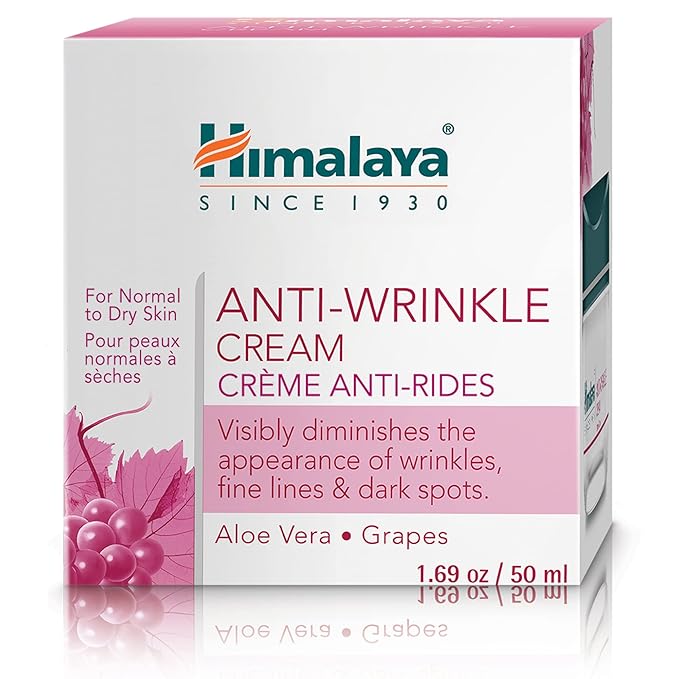
Himalaya Herbals Anti‑Wrinkle Cream with aloe vera, grape (rich in AHAs), claims to reduce fine lines, moisturize, reduce age spots. pharmayush.com
-
Garnier Wrinkle Lift Anti‑Ageing Cream contains pro‑retinol, cherry and bilberry extract; claims to tighten skin and fight signs of aging. garnier
These products illustrate combinations of natural/herbal extracts with more “functional / scientifically studied” actives in many cases.
12. Safety, Storage, & Regulatory Considerations
-
Dermatological Tests: Good creams are tested for irritation, comedogenicity, stability.
-
Patch Test: Always advisable before full face use, especially for strong actives or sensitive skin.
-
Use Caution During Pregnancy / Breastfeeding: Some ingredients (strong retinoids) may not be recommended. Consult a qualified health professional.
-
Storage: Keep away from direct sunlight, heat; store in cool, dry place. Use airless or sealed containers for sensitive actives.
-
Expiry: After opening, many creams are best used within 6‑12 months; check “PAO” symbol (Period After Opening).
-
Regulation of Claims: Brands making anti‑wrinkle / anti‑aging claims often need to have substantiation (studies, lab data) depending on local regulatory frameworks.
13. How to Maximize Results & Common Mistakes to Avoid
To get the full benefit, correct usage and avoiding mistakes are essential.
Best Practices
-
Introduce strong actives slowly (e.g. start with lower retinol, use every 2‑3 nights before daily).
-
Support skin barrier (use moisturizers, possibly barrier repair creams, avoid over‑exfoliation).
-
Always use sunscreen during the day (crucial).
-
Concentrate on face, neck, jaw; wrinkles often show in these areas first.
-
Maintain consistent routine; skipping many days reduces effect.
-
Maintain good lifestyle: hydrated diet, sleep, avoid smoking, stress etc.
Common Mistakes
-
Using too much product: more is not always better; can irritate.
-
Mixing too many strong active ingredients at once (e.g., retinol + strong acids + vitamin C) without care.
-
Neglecting sun protection.
-
Expecting immediate dramatic results; unrealistic expectations lead to disappointment.
-
Not reading ingredient labels / knowing what your skin tolerates.
-
Applying creams to damp skin without proper timing; or layering too heavily.
14. Comparison with Other Anti‑Aging / Dermatological Treatments
While creams are a non‑invasive, accessible option, here’s how they compare with other options:
| Treatment / Approach | Invasiveness | Cost | Onset of Results | Longevity of Results | Risks / Side Effects |
|---|---|---|---|---|---|
| Topical anti‑wrinkle creams (OTC) | Low | Moderate to low‑high depending on brand & actives | Weeks to months | Requires ongoing use; effects diminish if stopped | Irritation, sensitivity, dryness, possible allergic reactions |
| Prescription Retinoids (tretinoin etc.) | Medium | Higher (doctor prescription) | Few weeks to months | More potent, longer lasting results | More irritation, peeling, strong sun sensitivity, not safe in pregnancy |
| Chemical Peels (Glycolic, TCA etc.) | Medium | Medium‑high | Faster initial visible changes | Some lasting effects, but maintenance required | Irritation, downtime, sensitivity; risk if overdone |
| Injectable Treatments (Botox, Fillers) | Higher (invasive) | High cost | Rapid results (days) | Several months or longer depending on treatment | Pain, swelling, possible adverse events, cost, maintenance |
| Laser / RF / Ultrasound Treatments | High | High cost | Visible changes after sessions | Longer term results with maintenance | Risk of side effects; more downtime; cost; needs professional clinic |
Creams are often the first line of defense, ideal for prevention, maintenance, and for mild to moderate signs of aging; more invasive treatments are options for deeper wrinkles or when non‑medical means are not sufficient.
15. How Long Does It Take to See Results?
Time-frame expectations:
-
Immediate / Short‑Term Effects (Days to 1‑2 Weeks): Hydration from humectants; skin may look plumper; fine dry lines (from dehydration) may reduce; surface smoothness may improve.
-
Intermediate Effects (4‑8 Weeks): With consistent use, improved texture, more radiant tone; some reduction in fine lines; some increase in firmness.
-
Long Term (3‑6 Months and beyond): Better collagen deposition from retinoids or peptides; visible reduction of deeper wrinkles; better resilience; improved barrier; longer lasting results.
Patience and consistency are key. Many creams warn users that results will be gradual.
Reviews
There are no reviews yet.