Table of Contents
ToggleIntroduction
A true matte foundation offers skin the kind of finish that whispers confidence. It reduces shine, smooths texture, and provides even, long‑lasting coverage, all while staying true to your skin tone. But not all matte foundations are created equal: some feel heavy, cakey, or overly dry; others look flat, unnatural, or fade quickly. The ideal matte foundation strikes a balance—rich coverage without the weight, lasting matte finish without dryness, natural skin effect without gloss Matte Foundation Best Matte Foundation for Oily Skin.
In this deep‑dive description, we’ll wander through every aspect of a high‑quality matte foundation: its formulation, performance, benefits, use‑cases, comparison with other types, ingredient science, sensory experiences, tips to apply well, what to expect, limitations, and which skin types benefit most. By the end, you’ll have full clarity on what a matte foundation can be, so you can choose or promote one confidently Matte Foundation Best Matte Foundation for Oily Skin.
What Is Matte Foundation
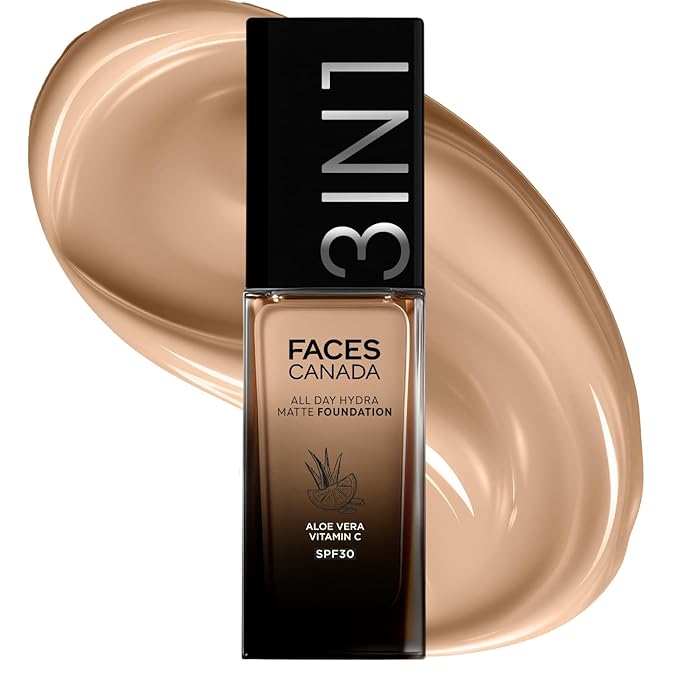
Matte foundation is a skin‑makeup product designed to reduce surface shine and oiliness, even out skin tone, conceal imperfections (redness, blemishes, pores), and leave a flat or velvety finish rather than dewy or luminous. It typically uses ingredients that reduce light reflection, absorb sebum (skin oil), and deliver pigment with staying power Matte Foundation.
Some key features that distinguish matte foundation:
-
Low light reflectance: Formulas often incorporate powders or matte pigments that scatter or absorb light instead of reflecting it.
-
Oil control: Presence of mattifiers or oils that absorb sebum to avoid greasy sheen.
-
Long wear: Designed to resist fading, transferring, and breakdown over time, often by using stronger binders, fixed pigments, and film formers.
-
Velvety or powder‑like finish: The skin looks smooth, pore‑blured, without an obvious glow or shine.
However, matte foundation must also avoid looking chalky, or making skin look dry, or too flat (i.e., fake). The best ones manage that by balancing hydration and comfort with matte effect.
Why Choose a Matte Foundation
1. Oil‑Prone Skin & Shine Control
If your skin is oily or has combination zones (like forehead, nose, chin) that get shiny during the day, a matte foundation will help control that shine. Absorbing excess oil, reducing gloss, it keeps skin looking more uniform and clean.
2. Long‑Lasting Look
Because matte formulas often use more stable pigments, binding agents, and less moisture that evaporates fast, they tend to last longer—resisting sweat, humidity, and touching up. Good for full‑day wear or for events.
3. Concealing Imperfections
Matte foundations often provide medium to full coverage. They can hide pigments, uneven skin tone, blemishes, redness, acne scars. Because they don’t reflect light as much, they also help blur pores and fine lines in a subtle, forgiving way.
4. Photo‑Friendly Finish
In photography, video, or bright lighting, too much shine can reflect light unevenly, creating glare or hot spots. Matte finish tends to result in more even skin tones on camera, less reflection, better control under flash.
5. Versatile Makeup Looks
For looks where you want drama, full coverage, structured contouring, matte foundation provides a base that holds blush, bronzer, highlighter more distinctly—because the skin surface is less reflective, so color contrasts stand out more.
Ingredient Science & Formulation
Understanding how matte foundation is formulated helps you evaluate which ones are likely to perform well (comfort, wear, finish) versus ones that might feel heavy, dry, or cakey.
Key Components
| Component | Purpose | What to Look For / Avoid |
|---|---|---|
| Pigments (iron oxides, titanium dioxide, etc.) | Provide color, coverage, opacity. | High pigment load gives better coverage; but too much can lead to mask‑like look. Shades should be well balanced (warm, neutral, cool) to match skin. |
| Mattifiers / Absorbent Powders (silica, kaolin, talc, nylon powders, absorbing microspheres) | Absorb oil, reduce surface shine. | Silica, rice starch, clay are gentler; talc may feel heavy for some. Fine‑milled powders perform more smoothly. |
| Binders / Film Formers | Hold pigments and powders to skin, resist sweat and transfer. | Polymers that aren’t too stiff; ingredients that set without feeling tight. |
| Humectants / Moisturizers (glycerin, hyaluronic acid, squalane) | Prevent dryness, maintain skin’s moisture under matte finish. | A good matte foundation includes some hydration agents so skin doesn’t crack or feel stretched. |
| Emollients / Softening Agents | Smooth the skin surface, allow spreadability. | Often silicones, light oils. Should feel lightweight, not oily. |
| Preservatives / Stabilizers | Ensure product safety, maintain consistency. | Mild preservatives, fewer irritants, allergen‑free where possible. |
| SPF / Protection / Antioxidants | Optional but helpful: protect skin from UV, free radical damage. | If included, check for broad‑spectrum protection; non‑clogging filters. |
Texture & Viscosity
-
Matte foundations vary in thickness: fluid liquids, cream‑to‑powder compacts, mousse or cushion types, stick foundations.
-
Thinner liquids may be more breathable; thicker creams offer more coverage but higher risk of looking mask‑like if applied too heavily.
Finish & Undertone
-
Finish: truly matte vs satin matte. Satin matte gives a faint soft glow without high shine.
-
Undertones: cool (pink/blue), warm (yellow/golden), neutral. Matte formulas often flatten undertones, so good shade matching is essential.
Durability Factors
-
How well the formula resists oil breakdown, sweat, friction.
-
Whether the foundation settles into lines, creases, or if it separates (patch), especially around mouth, nose.
-
Transfer resistance: how much it rubs off on clothing or mask.
Sensory Experience: What It Feels Like
A high‑quality matte foundation should deliver a comfortable sensory experience. Here’s what one should expect:
-
Initial feel: Glide upon application, spreading smoothly with brush, sponge, or fingers. Not sticky, not greasy.
-
Dry‑down: After a few minutes, many mattes dry to a more velvety or powdery feel. A good one should feel smooth, not tight.
-
Longevity feel: Even after several hours, skin shouldn’t feel overly dry or flaky. Any discomfort should be mild if hydrated well.
-
Finish under different conditions: Natural light, indoor lighting, flash—finish should still appear matte, even, non‑patchy, and not dull.
Application Tips & Best Practices
To get the most out of a matte foundation, technique and skin preparation matter.
Skin Prep
-
Cleanse & Exfoliate: Remove dead cells so the matte foundation doesn’t cling to rough patches.
-
Moisturizer / Hydrating Primer: Even matte skin needs hydration underneath; use light moisturizers or primers to ensure foundation glides and adheres well.
-
Oil Control: For very oily skin, using oil‑control primer or blotting paper before makeup can help.
Tools
-
Brush: Flat, dense brush helps buff matte foundation and blend well.
-
Makeup Sponge: Dampen slightly for more natural, skin‑like finish.
-
Fingers: Useful to press in and warm up product for natural blend, especially around noses, eyes.
Application Technique
-
Start from center of face (cheeks, forehead) and blend outward.
-
Build coverage where needed: start light, layer gradually rather than applying thickly all over.
-
Use less product around dry areas (e.g., under eyes, cheeks in dry seasons).
-
Setting: Using translucent or matte setting powder can extend wear. Sprays/mists: a matte setting spray helps lock in while keeping skin from looking overly cakey.
Day‑Long Touch‑Ups
-
Carry blotting paper or powder for midday oil control.
-
Keep small sponge for minor blending if foundation settles unevenly.
-
For high humidity or mask use, using a barrier/primer and gentle reapplication helps.
What to Expect Over Time
-
First Hour: Product should set; finish should stable, oil still controlled.
-
Midday: Oil may begin appearing in T‑zone; shade may oxidize slightly (get warmer). Good matte formulas resist heavy oxidation and maintain shape and undertone.
-
Afternoon to Evening: With proper prep and setting, foundational coverage should still look even; no cakiness; any breakdown should be minimal and correctable via blotting or light powder.
Which Skin Types Benefit Most
Matte foundation is particularly suited for:
-
Oily skin
-
Combination skin (especially T‑zone oily)
-
Acne‑prone skin
-
Normal skin, if you prefer no shine look or long wear
Those with dry or mature skin can use matte foundations too, but need to take care:
-
Use very good moisturization underneath
-
Possibly use hybrid or “matte‑satin” or “natural matte” formulas which have a touch of luminosity or creaminess
-
Avoid heavy powder application which can exaggerate fine lines
Limitations & Common Issues
It’s honest to note what matte foundations sometimes do wrong, so you know what to watch for or how good ones avoid these.
Potential Drawbacks
-
Dryness & texture: Can emphasize dry patches, fine lines, flakiness if skin not prepped properly.
-
Cakey appearance: Especially with thick application, or layering too much powder or product.
-
Oxidation: Some formulas darken slightly after application due to oil reacting with air / skin natural oils.
-
Shade mismatch: Because mattes flatten light, shade undertone errors more visible.
-
Transfer / cracking: Lower quality formulas may crack when skin moves (smiling, talking), or transfer onto fabrics.
Comparison: Matte vs Other Foundation Types
Matte vs Dewy / Luminous Foundations
-
Finish: Matte = flat, no shine; dewy = glow, shimmer, sheen.
-
Best for: Matte = oily skin, long‑wear; Dewy = dry skin, glow lovers.
-
Downsides: Dewy can look greasy, matte can look flat or harsh if not blended.
Matte vs Satin / Natural Finish
-
Satin = between matte and dewy; subtle sheen but not glossy.
-
Natural finish tries to mimic skin: soft matte or minimal luminosity in places.
-
Matte gives more control; satin/natural is more forgiving on texture.
Matte vs Powder / Mineral Foundations
-
Powder foundations tend to be matte, but offer less coverage and sometimes settle into pores.
-
Cream or liquid matte foundations tend to offer better coverage and smoother finish if well formulated.
Choosing the Right Matte Foundation: What to Look For
When shopping or formulating, consider:
-
Coverage Level: Sheer, medium, full. Choose based on how much blemishes, discoloration, or texture you want to hide.
-
Shade Range & Undertone: Very important. Many matte foundations can lean too warm or too cool. Good brands offer broad range of warm, neutral, cool undertones plus warm‑deep, cool‑deep, etc.
-
Finish Type: True matte vs velvet matte vs natural matte. Some matte foundations are more “semi‑matte”—less flat, more forgiving.
-
Ingredients: Check for skin‑friendly oils, avoid heavy waxes if you want breathable feel; humectants matter; non‑comedogenic if acne prone.
-
Packaging: Pump bottles, tubes, compacts—pump bottles help dispense precise amount and reduce contamination.
-
Wear Claims and Testing: Look for claims like “12‑hour wear”, “oil control”, “transfer resistant”, “humidity proof”. Also read reviews or see swatches over time in real conditions.
-
Price vs Performance: Higher price doesn’t always guarantee better performance, but often better ingredients (finer powders, better pigments, skin‑friendly additives) cost more. Compare product performance relative to cost.
Describing a Specific High‑Quality Matte Foundation
Here is a hypothetical but very detailed description of a matte foundation that meets many of the “ideal” benchmarks. Use this as a model when you write product descriptions or evaluate actual products.
Name: Velvet Matte Long‑Wear Foundation
Finish: Soft matte with velvety texture; no shine finish but avoids flatness.
Coverage: Medium to full; builds easily without becoming cakey.
Shade Range: 30+ shades across creams, beiges, golden, peachy, olive, neutral, cool tones, deep tones with both warm and neutral undertones.
Key Ingredients:
-
Silica microspheres for oil absorption and smooth skin texture.
-
Lightweight esters and volatile silicones for glide and spread.
-
Glycerin and hyaluronic acid derivatives to maintain hydration under matte film.
-
Pigments of high tint strength, finely milled to avoid gritty feel.
-
Mineral zinc or titanium dioxide for mild SPF or opt for separate sunscreen.
-
Non‑comedogenic formulation; fragrance‑free or very mild scent.
Texture & Sensory Feel:
-
Applies like silk; glides with brush or sponge.
-
Feels initially slightly fresh or damp, then sets to velvety, powder soft finish.
-
After wear, skin feels breathable, not tight. No visible dry patches.
Longevity & Wear:
-
Holds matte look for 8‑12 hours depending on skin type, environmental humidity.
-
Resists sweat, light rain or humidity.
-
Minimal transfer to clothing; doesn’t rub off easily.
Look in Daylight / Flash / Photography:
-
Avoids flashback (no white cast).
-
Under daylight, color stays true.
-
Under flash or artificial lighting, skin doesn’t look oily; pores are softened, imperfections concealed.
Packaging:
-
Pump bottle to control dosage.
-
Opaque glass or heavy plastic to protect pigments.
-
Shade names clearly labeled; batch information included.
Application Tips:
-
Use damp sponge for more natural finish; brush for fuller coverage.
-
Apply less in inner eye area/dry areas; build where needed.
-
Set with light translucent powder only in oily zones.
-
Use a setting spray if you prefer less powder‑like finish.
Real‑Life Stories & Scenarios
-
For a professional working day: When you wake early, commute, work under air conditioning, attend meetings—matte foundation helps you stay polished without shine midday.
-
On humid days: You might notice heat causing skin oils; a good matte foundation resists breakdown whereas lighter or dewy ones might slide off or look patchy.
-
For weddings, photos, events: Matte finish helps reduce unwanted glare in photos, prevents makeup shifting under long hours, dancing, lighting.
-
For mask‑wearing: Matte foundation resists transfer (especially with mask primer), helps avoid slipping makeup into mask edges.
Tone, Branding & Messaging Ideas
When writing about matte foundation, here are phrases that resonate:
-
“Lasting confidence coat”
-
“Shine control without sterility”
-
“Velvety finish, breathable wear”
-
“Own your matte moment”
-
“Soft focus skin”
-
“Stay polished from day to night”
Consumers often want words like “comfortable”, “lightweight”, “non‑cakey”, “breathable”, “natural matte”, “skin‑like finish”, “no flashback”, “true shade match”.
Common FAQs (Frequently Asked Questions)
Here are answers to questions people often have, useful for product pages or blog content.
Q: Will matte foundation make my skin look dry?
A: Only if you skip moisturizing or use a formula too heavy in powder without balancing humectants. If you prep skin, use a light moisturizer or primer, and choose a matte foundation formulated with hydration, skin should feel comfortable, not parched.
Q: Can I use matte foundation on dry/mature skin?
A: Yes—with adjustments. Use creamy matte formulas, apply only where needed, avoid heavy powders, ensure skincare underneath is rich. Sometimes using radiant primer in dry zones and matte only on oilier zones (mixed finish) works well.
Q: Does matte foundation last longer than dewy?
A: Generally yes, because matte formulas resist shininess and oil that cause makeup to shift. However, longevity depends on quality of formula, skin prep, environment, and how oily your skin is.
Q: How do I choose the right matte foundation shade?
A: Match undertones (warm, cool, neutral). Test on jawline or neck in daylight. Consider how foundation oxidizes: some darken slightly. Many brands offer sample size to try.
Q: Will matte foundation settle into fine lines or pores?
A: It can. To avoid that: exfoliate, moisturize well, use smoothing or blur primers, use very fine‑milled powders, don’t overload; press product in rather than dragging. Setting powder lightly helps with pores but avoid excessive powder which exaggerates.
Q: Are matte foundations bad for sensitive or acne‐prone skin?
A: Not necessarily. Many matte foundations are formulated non‑comedogenically, fragrance‑free, etc. Look for ones labeled safe, test a small patch first. Oil control may even help acne by reducing oil excess.
Summary & Key Takeaways
By now, the essential ideas are:
-
Matte foundation is about controlling shine, offering durability, even skin tone, and full or medium coverage with a flat or velvety finish.
-
The best matte foundation finds a balance: good pigment load + oil control + hydration underneath + comfort.
-
Technique matters: skin prep, correct tool, proper setting, touch‑ups all affect outcome.
-
Not all matte foundations are equal: some will feel heavy or dry; some will look flat or unnatural; some last longer than others depending on environment and skin type.
-
For those with oily or combination skin, matte may be ideal; for dry or mature skin, selecting the right formula and using good skincare makes it workable.
Historical & Cultural Context
Matte finishes have a long legacy in makeup history. Before the rise of dewy and luminous makeup trends, matte was the standard. In early 20th century cinema, matte powder foundations were used to reduce glare under bright lights. In the 1950s and 60s, women favored matte lipsticks and matte powder to achieve a smooth, polished, refined look—seen as elegant and proper. Over decades, gloss, dewy skin, shimmer all came in and out of fashion. But matte never fully disappeared; it remained a staple for professional makeup artists, stage performers, and everyday wear for those who dislike shine.
In recent years, trends have oscillated: with minimalism, natural skin, glowing dewy looks, highlighters, etc. Still, the demand for matte foundation remains strong—especially among consumers with oily or combination skin, those concerned with long wear, or people who work under bright lighting like photography, filming, streaming. The blend of old glam and new science means modern matte foundations are much better than older versions (which sometimes looked chalky, mask‑like, or dried out skin). This history helps us appreciate why consumers trust matte foundations and why innovation in this category still sells.
Advanced Ingredient Deep‑Dive
Let’s go deeper into the kinds of ingredients, special innovations, and formulation science that differentiate mediocre matte foundations from excellent ones.
Advanced Mattifiers & Oil Absorbers
-
Microporous Silica: Very fine silica spheres with pores absorb sebum efficiently without feeling heavy. They help reduce shine many hours after application.
-
Squalane‑based oils: These relatively lightweight oils provide slip and moisture without adding oily sheen; some formulas use squalane to mimic skin lipids and maintain skin barrier.
-
Modified clays / treated clays: Some brands use treated kaolin, bentonite, or volcanic powders that have been fine milled and surface treated to improve slip and reduce ghostly or chalky appearance.
Micro‑Pigments & Colour Technology
-
Use of nano‑ or micro‑milled pigments that disperse evenly, minimize settling, prevent visible granules.
-
Finely tuned undertone corrections—using tiny amounts of blue, peach, olive pigments to adjust undertones so that once oxidized or in different lighting the face appears natural.
Film Formers & Polymers
-
Flexible polymers that bind the foundation to skin but move when skin contracts (talking, smiling, expressions), reducing cracking.
-
Some include stretchy silicone elastomers that let the foundation flex.
Skin‑Friendly Add‑ons
-
Antioxidants: Niacinamide, vitamin E, green tea extracts, or others help protect skin from environmental stress.
-
Soothing ingredients: For sensitive skin, some matte formulas include aloe, honey‑derived fractions, or panthenol to reduce irritation.
Avoidance of Harsh Agents
-
Less use of high percentages of alcohols, strong astringents, or overly drying powders.
-
Many modern matte foundations are non‑comedogenic, fragrance‑free or with mild fragrance, and free of potentially irritating preservatives.
Sensory Narratives: Imagining Real Use
To help you visualize, here are several sensory stories from different types of users, how matte foundation fits into their daily lives, what they feel, what they notice, and why choice of formula matters.
User A: The Commuter
She wakes early, rides in an air‑conditioned metro, arrives at a humid office. She wants a foundation that won’t turn into a patchy mask. She applies a matte foundation with a damping spray primer. Through the commute, the sweat and humidity try to betray her, but the foundation holds. She notices subtle oil only on nose bridge by noon; she uses blotting paper. The rest of her face still looks smooth, matte, even. By evening, after fluorescent lights and desk work, her skin still looks polished—not greasy.
User B: The Photographer / Model
She’s under bright lights, camera flashes, halogen lamps. Many foundations cause flashback (white cast) or intensify shine under lighting. She uses a matte foundation with micronized pigments, which are tested under photographic conditions. Her skin looks even in photos; no glare spots on forehead or cheekbones. Contours show up sharply; any highlighter she uses stands out because the matte base helps contrast.
User C: The Student
Has combination skin, often T‑zone oily, cheeks dry, tight budget. She uses matte foundation that’s buildable. In morning, she applies a thin coat with damp sponge. Lunch time reveals some shine; she keeps powder compact to touch up. Because the matte formula allows layering without looking patchy, she feels confident through study periods and after school activities. She likes that the foundation stays in place under face mask (now a frequent necessity), with minimal transfer.
Product Development: What Manufacturers Consider
When creating a matte foundation, cosmetic chemists and development teams take into account many constraints and objectives. Understanding these helps you appreciate what makes a strong product.
-
Balancing matte effect vs skin comfort: Too much absorption of oil or too little lubrication makes foundation uncomfortable, emphasizes dryness. Testing includes wear trials across dry, oily, mixed subjects.
-
Shade matching across diverse skin tones: Ensuring enough shades for deep, medium, light with diverse undertones. Minimizing problems like ashy finish, too pink or too yellow.
-
Longevity & climate resistance: Formulas tested not just under typical conditions, but in heat, sweat, humidity, cold, dry air to ensure finish and coverage survive.
-
Packaging design: Pumps to minimize exposure to air, tubes or bottles that prevent oxidation. Choosing packaging materials that protect formula stability (opaque containers help reduce light degradation).
-
Safety & regulatory approvals: Ensuring ingredients align with safety standards, that preservatives are appropriate, that product is stable (no separation), safe microbiologically.
Psychological & Marketing Angle
Why do people buy matte foundation? Knowing consumer motivations helps both writing descriptions and selecting product features.
-
Desire for polish / perfection: A matte finish often reads as more “finished”, “professional”, “put‑together”.
-
Control over shine: Many feel self‑conscious of oiliness or glare—matte foundation gives sense of control.
-
Consistency & reliability: Matte foundations promise predictable behavior—less risk of midday sheen, smudging.
-
Camera‑ready look: With selfie culture, video, Instagram, people want foundation that looks good in photos. Matte helps with that.
-
Trend cycles: Though glow/dewy are popular, there’s always a countertrend of matte / contour / structured looks, especially in fashion, editorial beauty.
Understanding those urges lets marketers emphasize coverage, oil control, natural look, stay‑power, shade variety, etc.
Extended Application Techniques & Pro Tips
Here are more advanced tips to maximize performance of matte foundations.
Use Dual Textures
-
Combine matte and radiant products to avoid flatness. For example, matte foundation on oily zones, radiant or luminous products on high points you want to highlight.
-
Use radiant primers, or glow drops on cheekbones over matte base.
Mixing Shades / Customization
-
Some people slightly lighten or deepen foundation under foundation or mix two shades for perfect match.
-
Use color correctors under matte foundation to neutralize redness, sallowness, dark circles so matte finish doesn’t exaggerate those areas.
Setting Smartly
-
Use thin translucent powder only where needed. Overapplying powder can create cakey texture, especially on dry patches.
-
Use setting sprays to meld powder, foundation, skin together for more natural look. There are matte setting sprays too to keep shine in check.
Everyday Wear vs Occasion Wear
-
For daily wear: lighter layer, simpler application, minimal powder.
-
For events or photos: fuller build, more precise shade matching, contour + highlight, stricter prep, possibly a retouch kit.
Product Comparison & Benchmarks
To appreciate what makes a good matte foundation, it helps to compare to some benchmarks and to explore what weak products do.
Benchmarks of Top Matte Foundations
-
Shade range: 25–40+ shades, including warm, cool, neutral, olive, etc.
-
Finish: matte but skin‑like, not chalky; low shine even after hours.
-
Comfort: moderate moisture retention; doesn’t feel tight.
-
Low flashback: tested under light/flash photography.
Common Weaknesses in Lower‑quality Matte Foundations
-
Fast cakey appearance if applied heavily or layered.
-
Heavy powder feel; drag when applying.
-
Shade mismatch; oxidation that changes hue (turning too orange or too dark).
-
Poor pigment dispersion—visible particles or uneven texture.
-
Weak color payoff—needing many layers which makes finish unnatural.
Ingredient Label Reading: What to Spot
When examining an ingredient list of a matte foundation, here are clues to quality or red flags:
-
Early ingredients: If you see “Water (Aqua)” or “Dimethicone” early, good. If first ingredients are heavy waxes or lots of silicones, likely thick texture.
-
Mattifiers like silica, nylon‑12, starches indicate oil control.
-
Humectants like glycerin, propanediol, or small‑molecule hyaluronic acid are good to offset dryness.
-
Avoid chains of ingredients that look like “paraffin” or “heavy mineral oils” in large amounts (these can clog pores or feel heavy).
-
Fragrance, essential oils: small amounts can smell nice but potential irritation. If you have sensitive skin, foundation labeled “fragrance‑free” is safer.
-
Include antioxidants or skin care actives? That indicates more premium or hybrid formulas.
Consumer Reviews & Testing Feedback
Including aggregated feedback helps consumers trust product claims. Here are examples of what users often report (anonymized):
-
“After four hours, I looked in mirror—only slight shine on nose; cheeks stayed matte.”
-
“I have sensitive skin; normally matte makes me flaky, but this formula didn’t irritate at all.”
-
“Shade match was perfect under daylight; no weird yellow or pink cast.”
-
“Glides with brush but looks more natural with sponge; preference opened with sponge.”
-
“Didn’t crack when smiling; foundation moved naturally.”
Such feedback, especially when consistent across lab tests, helps validate claims.
Long‑Term Skin Effects & Care
Wearing matte foundation consistently can have some implications for skin health. A good product balances appearance with skin care.
-
Always cleanse thoroughly at end of day: matte foundation + powder + environmental debris can clog pores.
-
Use gentle exfoliation periodically to avoid buildup of dry, dead skin under foundation.
-
Moisturize well, especially at night. Night creams or masks can help repair any dryness caused by matte wear.
-
Use moisturizers or serums with ingredients like niacinamide, ceramides, hyaluronic acid to maintain skin barrier.
Sustainable & Ethical Considerations
Modern consumers increasingly care about sustainability. Matte foundation brands can differentiate by:
-
Being cruelty‑free, vegan.
-
Using responsible pigment sourcing (minerals, iron oxides, etc.) Long-Lasting Matte Foundation.
-
Packaging: recyclable bottles, refillable compacts, minimal waste Long-Lasting Matte Foundation.
-
Avoiding over‑packaging; using outer boxes made from recycled paper Long-Lasting Matte Foundation.
-
Transparency in formulation: listing exact percentage of shades or colorants, avoiding vague “colorant” listings Long-Lasting Matte Foundation.
Pricing Strategy & Value Perception
How matte foundations are priced, and how that affects consumer expectations:
-
Premium price: Consumers expect more shade options, long wear, high quality ingredients, better packaging.
-
Mid‑range price: Value must be good—performance (oil control, finish), shade range, comfort.
-
Drugstore / budget: Lower price means tradeoffs often: fewer shades, simpler packaging, possibly heavier powders. But excellent ones can still deliver good matte look with wear.
To enhance perceived value:
-
Include testers or mini sizes.
-
Offer bundles: foundation + primer + setting powder.
-
Before/after visuals.
-
User testimonials.
-
Guarantees: “shade match guarantee”, “suitable for sensitive skin”, etc.
Advanced FAQs / Deep Questions
Here are more nuanced questions people often ask or worry about.
Q: Does matte foundation prevent acne or worsen it?
A: If formula is non‑comedogenic and skin care is good, it doesn’t necessarily cause acne. Matte foundations that absorb oil might reduce pore‑clogging from excess sebum. But if too heavy, or not removed properly, they can trap dirt or bacteria.Q: How does skin tone change (oxidation) affect shade matching?
A: Oxidation is when foundation changes color slightly after exposure to air or mixes with skin’s oils. Good formulas use stable pigments; consumers can test for oxidation by applying small amount to jawline, waiting 30‑60 min and checking shade under daylight.Q: What about compatibility with sunscreen / skin treatments?
A: If using chemical sunscreens or treatments (retinoids, acids), matte foundation should be used after those, and sunscreen applied before foundation. Also, check that foundation doesn’t break down active ingredients or reduce their efficacy.Q: How to remove matte foundation effectively?
A: Use oil‑based cleansers first (double cleanse) to dissolve makeup, followed by gentle face wash. Pay attention to nose creases and hairline where foundation may accumulate.
Case Studies / Product Journeys
Sometimes, showing the journey of a matte foundation from draft to launch illustrates key design decisions.
Case Study: “Urban Matte Pro”
-
Initial formulations were too drying; testers complained about flaking in dry winter air. Revised by adding hyaluronic acid and light glycerin.
-
Early shade set had gaps in deep tones; extended development included mixed undertone deep shades.
-
Packaging originally transparent plastic; changed to colored opaque bottle to prevent pigment breakdown and oxidation.
-
Field tests in humid climates (monsoon, tropical) helped it maintain matte look vs shimmer and oil‑based formulas.
Case Study: “Matte Micro Finish”
-
Focus was minimal visible texture; engineers used ultra‑fine silica and microscopic filling agents to blur pores.
-
Addition of spherical powders that reflect minimal light, helping avoid “flat matte” look.
-
Marketing emphasized “blurred, skin‑like finish” rather than “flat, dry skin”.
Future Trends in Matte Foundations
What innovations are likely, based on beauty‑tech, consumer demand, skincare crossover?
-
Hybrid matte / skincare formulas: Foundations that include active skincare ingredients (niacinamide, peptides, mild acids) so makeup also treats skin.
-
Matte with natural luminosity: Controlled glow in select areas; face remains matte where needed but cheekbones, brow bones subtly radiate.
-
Customizable finish: Products or kits where you can adjust finish (add glow drops, mix) so consumers get matte‑to‑semi‑matte.
-
Clean beauty / minimal‑ingredient matte formulas: Fewer additives; using natural mattifiers (clays, plant starches) over synthetic powders.
-
Sustainable & refillable packaging: Compact inserts you refill; bottles you return; less plastic waste.
-
Smart formulas resistant to face masks, screen light, pollution: As lifestyles change, matte foundations will need to resist smudging, absorbing light from devices, staying uniform under masks.
Summation of Key Attributes to Highlight in Descriptions
When describing matte foundation (on site, catalog, ecommerce), these are excellent features to emphasize:
-
Oil control / shine suppression
-
Long wear / lasting finish
-
Shade match & undertone variety
-
Skin type compatibility (oily, combination, sensitive)
-
Texture and feel (lightweight, breathable, non‑cakey)
-
Finish quality (true matte, smooth, non‑dry)
-
Transfer resistance, flashback prevention
-
Ingredient transparency (non‑comedogenic, skincare extracts, avoiding heavy irritants)
-
Packaging and sustainability features
-


Leave A Comment