Probiotics moisturizers represent a cutting-edge evolution in skincare that addresses the root cause of many skin problems: an imbalanced microbiome. By nurturing the skin’s natural flora, these products deliver hydration, calm inflammation, fight acne, and slow aging—all while enhancing the skin’s natural defenses.
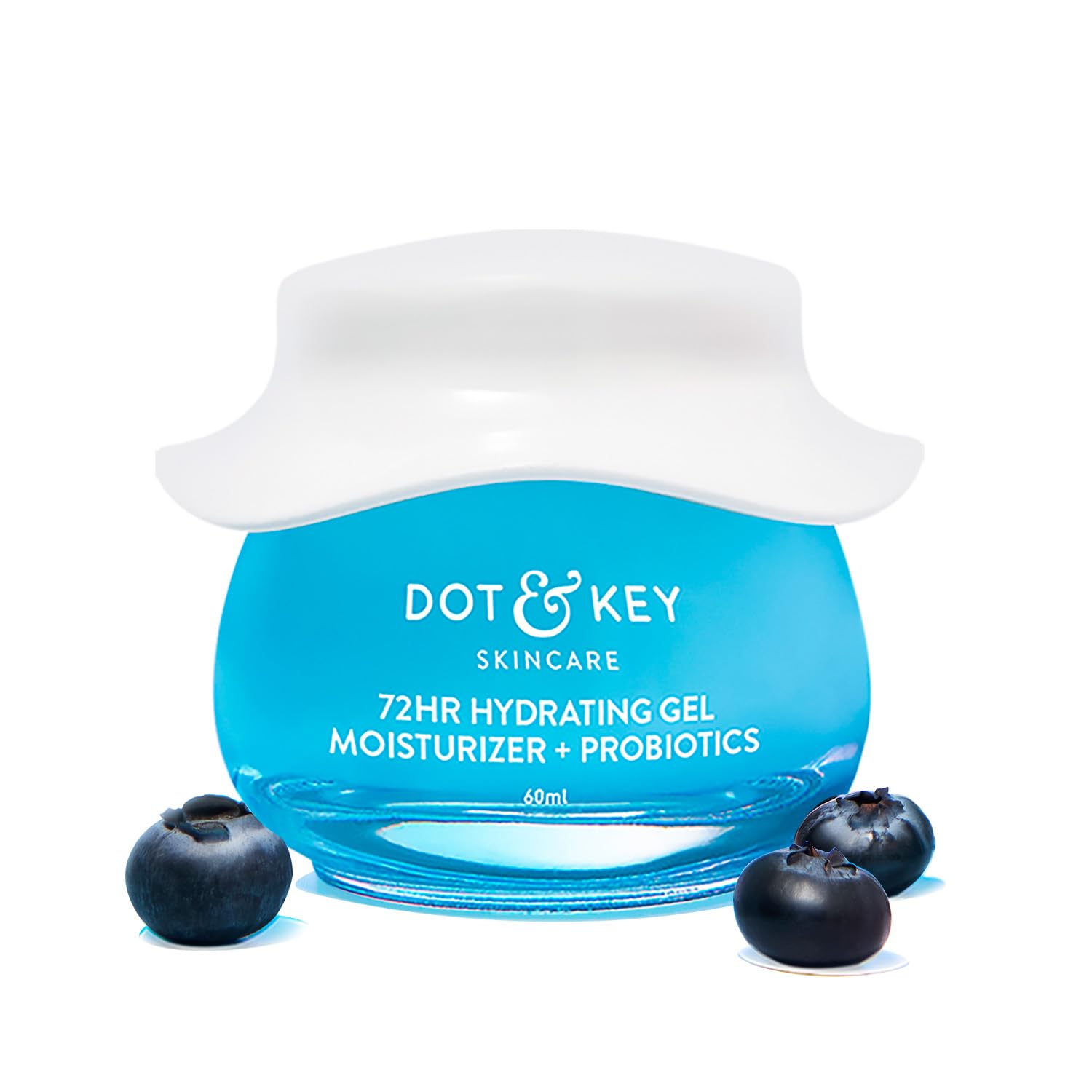
DOT & KEY 72Hr Hydrating Gel + Probiotics Moisturizer For Face With Hyaluronic Acid, Kombucha & Rice Water Lightweight Gel Oil Free Moisturizer | For Oily, Dull & Uneven Skin Tone I For All Skin Types | 60Ml
Original price was: ₹495.00.₹425.00Current price is: ₹425.00.
Description
Probiotics Moisturizer for Face: The Ultimate Guide to Healthy, Balanced Skin
In recent years, probiotics have taken the skincare world by storm, evolving from a concept mostly associated with gut health to becoming a cornerstone in advanced facial care. Probiotics moisturizers for the face combine the power of beneficial bacteria with hydrating ingredients to promote not just surface-level beauty but deeper skin health.
This comprehensive guide delves into what probiotics moisturizers are, how they work, their benefits, how to choose the right one, and the science behind why they are becoming essential in modern skincare.
What Are Probiotics Moisturizers for Face?
Probiotics moisturizers are skincare products that contain live or stabilized strains of beneficial bacteria, prebiotics (which feed those bacteria), or postbiotics (by-products of probiotics). They are formulated to enhance the skin’s natural microbiome—the community of microorganisms that live on our skin’s surface.
Unlike traditional moisturizers that focus mainly on hydration and barrier repair, probiotic moisturizers aim to balance and strengthen the skin’s microbiota. This balance is key to protecting the skin from inflammation, irritation, infection, and premature aging.
Understanding the Skin Microbiome
Before diving deeper, it’s important to understand the skin microbiome. Our skin is home to trillions of microorganisms, including bacteria, fungi, viruses, and mites. These organisms form a complex ecosystem that plays a vital role in maintaining skin health by:
-
Protecting against harmful pathogens
-
Modulating the immune response
-
Supporting the skin barrier function
-
Influencing inflammation and healing
When the microbiome is disturbed (due to harsh skincare, pollution, stress, or antibiotics), it can lead to skin problems such as acne, eczema, rosacea, sensitivity, dryness, and premature aging.
Probiotics moisturizers work by restoring balance, replenishing good bacteria, and improving the skin’s resilience.
How Do Probiotics Moisturizers Work?
Probiotics moisturizers benefit the skin in multiple ways:
-
Balancing the Skin Microbiome:
By introducing beneficial bacteria or supporting their growth, these moisturizers help crowd out harmful bacteria that cause breakouts or infections. -
Enhancing the Skin Barrier:
Probiotics stimulate the production of ceramides and lipids, key components that keep the skin barrier intact and prevent water loss. -
Reducing Inflammation:
Probiotic strains can modulate immune responses and calm inflammation, making them especially beneficial for sensitive or reactive skin. -
Boosting Hydration:
Many probiotic moisturizers combine these microbes with hydrating ingredients like hyaluronic acid, glycerin, and natural oils, delivering deep and lasting moisture. -
Supporting Skin Repair:
Postbiotics and metabolites from probiotic bacteria can accelerate healing, making them valuable in products designed for compromised skin.
Key Ingredients in Probiotics Moisturizers
While probiotics themselves are central, the full formula often includes:
-
Live Probiotic Cultures: Strains such as Lactobacillus, Bifidobacterium, Streptococcus thermophilus, and Enterococcus faecium. These can be live bacteria or lysates (non-viable parts) Probiotics Moisturizer For Face.
-
Prebiotics: Ingredients like inulin, fructooligosaccharides, and oligosaccharides that feed and nourish beneficial bacteria Probiotics Moisturizer For Face.
-
Postbiotics: Metabolic by-products like peptides, enzymes, and fatty acids that provide skin benefits Probiotics Moisturizer For Face.
-
Hydrators: Hyaluronic acid, glycerin, aloe vera, squalane, and ceramides Probiotics Moisturizer For Face.
-
Soothing Agents: Chamomile, green tea extract, calendula, and allantoin to reduce irritation Probiotics Moisturizer For Face.
-
Antioxidants: Vitamins C and E, niacinamide, and botanical extracts to combat free radicals Probiotics Moisturizer For Face.
Benefits of Using Probiotics Moisturizer for Face
1. Improved Skin Barrier Function
A healthy skin barrier prevents moisture loss and protects against irritants. Probiotics support lipid synthesis and barrier repair, helping skin stay hydrated and resilient Probiotics Moisturizer For Face.
2. Reduced Inflammation and Sensitivity
Probiotics calm overactive immune responses, reducing redness, irritation, and conditions like eczema and rosacea Probiotics Moisturizer For Face.
3. Clearer Skin
By balancing bacterial populations on the skin, probiotics reduce acne-causing bacteria and soothe inflamed blemishes Probiotics Moisturizer For Face.
4. Anti-Aging Effects
Probiotic moisturizers promote collagen production and reduce oxidative stress, minimizing fine lines and wrinkles Probiotics Moisturizer For Face.
5. Enhanced Hydration
Probiotics improve the skin’s natural ability to retain moisture, preventing dryness and flakiness Probiotics Moisturizer For Face.
6. Protection Against Environmental Stress
Pollution, UV rays, and harsh weather can disrupt the skin microbiome. Probiotics bolster the skin’s defenses against these external aggressors Probiotics Moisturizer For Face.
Who Should Use a Probiotics Moisturizer?
-
People with sensitive or reactive skin looking to calm irritation Probiotics Moisturizer For Face.
-
Those with acne-prone skin seeking natural bacterial balance without harsh antibacterials Probiotics Moisturizer For Face.
-
Individuals with dry or dehydrated skin needing gentle hydration and barrier support.
-
Anyone experiencing eczema, rosacea, or dermatitis who want to soothe and heal the skin Probiotics Moisturizer For Face.
-
People interested in anti-aging skincare that also focuses on skin health from the inside out Probiotics Moisturizer For Face.
How to Choose the Right Probiotics Moisturizer
1. Check the Type of Probiotic
Look for products with well-researched strains like Lactobacillus or Bifidobacterium. Some formulas use bacterial lysates or ferments, which also have benefits Probiotics Moisturizer For Face.
2. Consider Your Skin Type
-
For oily or acne-prone skin, choose a lightweight, non-comedogenic moisturizer Probiotics Moisturizer For Face.
-
For dry skin, opt for richer creams with added emollients Probiotics Moisturizer For Face.
-
Sensitive skin benefits from fragrance-free and soothing ingredient blends Probiotics Moisturizer For Face.
3. Look for Complementary Ingredients
Ingredients like niacinamide, ceramides, hyaluronic acid, and antioxidants enhance the overall effectiveness Probiotics Moisturizer For Face.
4. Packaging Matters
Because probiotics are sensitive to air and light, choose products in opaque, airtight containers Probiotics Moisturizer For Face.
5. Check Shelf Life and Storage
Live probiotics require proper storage to maintain efficacy. Follow manufacturer instructions carefully.
How to Use Probiotics Moisturizer Effectively
-
Cleanse your face with a gentle cleanser that won’t disrupt your microbiome. Avoid harsh exfoliants or antibacterial soaps.
-
Apply toner or serum if desired.
-
Apply the probiotic moisturizer on slightly damp skin to lock in hydration.
-
Use morning and night for best results.
-
Follow with sunscreen during the day to protect your skin.
Science Behind Probiotics in Skincare
Research shows that probiotics can influence the skin’s microbial community positively. Studies demonstrate improved barrier function, reduced inflammatory markers, and decreased acne severity after using probiotic skincare.
For example, Lactobacillus extracts reduce inflammatory cytokines in the skin, while Streptococcus thermophilus helps increase ceramide production, a vital component of skin hydration.
While live probiotics in skincare are tricky because of formulation challenges, many brands now incorporate stabilized lysates or ferments to deliver similar benefits.
Potential Side Effects and Precautions
Probiotics are generally safe and well-tolerated, but:
-
People with compromised immune systems should consult a dermatologist.
-
Some may experience mild irritation initially as the skin adjusts.
-
Patch testing new products is recommended.
Popular Probiotic Moisturizers in the Market
-
TULA Skincare Pro-Glycolic Moisturizer – Combines probiotics with gentle exfoliation and hydration.
-
Mother Dirt AO+ Restorative Lotion – Contains live probiotic strains to balance skin flora.
-
Gallinée Probiotic Face Cream – Uses prebiotics and probiotics to nourish the microbiome.
-
La Roche-Posay Toleriane Double Repair Face Moisturizer – Features probiotic fractions to restore skin barrier.
DIY Probiotics Skincare Tips
For those interested in natural options:
-
Fermented ingredients like yogurt or kefir can be used as masks but should be applied carefully.
-
Kombucha or fermented rice water toners are popular in DIY routines.
-
Always use freshly prepared and patch test.
Conclusion
Probiotics moisturizers for the face represent a paradigm shift in skincare. By focusing on the skin microbiome, they provide a holistic approach that combines hydration, protection, and repair. Whether you have sensitive skin, acne, or want to fight signs of aging, probiotics moisturizers can offer unique benefits that traditional moisturizers cannot match.
As science advances, expect probiotic skincare to become more personalized and effective, offering a new standard of skin health.
Deep Dive Into the Science of Probiotics in Skincare
The skin microbiome is a complex ecosystem that mirrors, in many ways, the gut microbiome. Both systems rely on the balance between “good” and “bad” bacteria to maintain health. Probiotics introduced via skincare products work on multiple biological fronts:
Modulation of Immune Responses
Probiotics help regulate the skin’s immune system by interacting with keratinocytes (skin cells) and immune cells like Langerhans cells. These interactions can suppress inflammatory signals such as interleukin-1 (IL-1) and tumor necrosis factor-alpha (TNF-α), which are often elevated in skin conditions like eczema and psoriasis. This immune modulation reduces redness, swelling, and discomfort.
Enhancement of Skin Barrier Proteins
The skin barrier is formed by a complex of proteins and lipids that prevent water loss and block harmful substances. Probiotics stimulate the expression of proteins like filaggrin and involucrin, essential for skin barrier integrity. Strengthening the barrier means the skin can better defend against pollutants, allergens, and irritants.
Production of Antimicrobial Peptides
Certain probiotic strains encourage the production of antimicrobial peptides (AMPs) such as defensins and cathelicidins, which directly inhibit pathogenic bacteria like Staphylococcus aureus, a common culprit in acne and eczema flare-ups.
How Probiotics Compare to Traditional Moisturizers
Traditional moisturizers primarily focus on hydrating and sealing the skin using ingredients like oils, humectants, and occlusives. While effective at preventing dryness, they do not actively modulate skin health or microbiome balance.
In contrast, probiotics moisturizers are bioactive; they interact with the skin’s ecosystem to promote a healthy environment. This leads to long-term benefits such as improved skin resilience, reduced sensitivity, and better recovery from environmental stressors.
Combining Probiotics with Other Skincare Actives
Probiotics moisturizers can be safely combined with many popular skincare ingredients:
-
Niacinamide: Enhances barrier function and reduces inflammation, complementing probiotics.
-
Hyaluronic Acid: Provides hydration while probiotics support barrier repair.
-
Vitamin C: Antioxidant protection pairs well with probiotics’ anti-inflammatory effects.
-
Retinoids: Some studies suggest probiotics can mitigate retinoid irritation, making them ideal companions.
However, avoid combining probiotics directly with strong antibacterial agents like benzoyl peroxide or high-concentration acids in the same routine, as these can kill beneficial bacteria.
Practical Tips for Incorporating Probiotics Moisturizers
1. Start Slowly
If you’re new to probiotics skincare, introduce the moisturizer gradually to allow your skin’s microbiome to adapt. Start with once daily and increase to twice daily as tolerated.
2. Maintain Consistency
The skin microbiome takes time to rebalance. Consistent use over weeks or months is necessary to see full benefits.
3. Use Gentle Cleansers
Avoid harsh foaming or antibacterial cleansers that strip the skin of natural oils and bacteria. Opt for mild, pH-balanced cleansers that support microbiome health.
4. Store Properly
Some probiotic products require refrigeration to maintain live bacteria. Always check storage instructions to preserve efficacy.
5. Layering Order
Apply probiotics moisturizer after cleansing and toning but before sunscreen or makeup. This ensures the active probiotics can settle into the skin effectively.
Consumer Insights and Experiences
Many users of probiotics moisturizers report:
-
Reduction in redness and irritation: Particularly helpful for sensitive or rosacea-prone skin.
-
Improved hydration: Skin feels plumper and more elastic without heaviness.
-
Fewer breakouts: Acne-prone individuals notice clearer skin and faster healing of blemishes.
-
Enhanced glow: A natural radiance from balanced microbiome and reduced inflammation.
-
Gentle formulations: Many probiotic moisturizers are free from fragrances and harsh chemicals, appealing to those with sensitive skin.
The Future of Probiotics in Skincare
The potential of probiotics in skincare is still being unraveled. Future directions include:
-
Personalized microbiome skincare: Products tailored to your unique skin microbiome profile via DNA or microbiome testing.
-
Synbiotics: Combining probiotics and prebiotics in one formulation for synergistic effects.
-
Live bacteria formulations: Advances in packaging and stabilization will allow more products to contain live cultures.
-
Microbiome-friendly sunscreens: Protective products that don’t disrupt skin flora.
-
Integrative skin health: Combining topical probiotics with diet and lifestyle changes that support the microbiome holistically.
Common Myths About Probiotics Moisturizers
Myth 1: Probiotics Moisturizers Can Cause Infections
False. The probiotics used in skincare are generally safe, non-pathogenic strains carefully selected for their skin benefits. They help inhibit harmful bacteria rather than cause infection.
Myth 2: All Probiotics Are the Same
Not true. Different strains have unique effects. The choice of strain and product formulation greatly impacts efficacy.
Myth 3: Probiotics Moisturizers Work Overnight
Results require consistent use over several weeks as the skin microbiome gradually rebalances.
Myth 4: You Should Stop Using Other Skincare Products
Probiotics moisturizers can be integrated with other skincare products; they don’t replace serums or treatments but complement them.
Detailed Breakdown of Popular Probiotic Strains in Moisturizers
-
Lactobacillus plantarum: Known for soothing inflamed skin and boosting barrier repair.
-
Bifidobacterium longum: Reduces skin sensitivity and enhances hydration.
-
Streptococcus thermophilus: Increases ceramide production, improving moisture retention.
-
Lactobacillus rhamnosus: Helps fight acne-causing bacteria and reduces redness.
-
Enterococcus faecium: Produces antimicrobial substances to protect skin from pathogens.
How to Identify Quality Probiotic Moisturizers
-
Look for products with clearly labeled strains and concentrations.
-
Check for clinical studies or evidence supporting their claims.
-
Avoid products with excessive preservatives that may kill probiotics.
-
Read reviews from verified customers with similar skin types.
-
Choose brands with transparent ingredient sourcing and manufacturing practices.
Conclusion
Probiotics moisturizers represent a cutting-edge evolution in skincare that addresses the root cause of many skin problems: an imbalanced microbiome. By nurturing the skin’s natural flora, these products deliver hydration, calm inflammation, fight acne, and slow aging—all while enhancing the skin’s natural defenses.
Whether you have sensitive skin needing gentle care, acne-prone skin requiring balance, or mature skin seeking vitality, probiotics moisturizers offer a promising, scientifically backed solution for healthier, happier skin.
As technology advances and awareness grows, probiotics in skincare will become a staple in personalized, microbiome-friendly routines worldwide.
Reviews
There are no reviews yet.