-
A few drops of aloe vera gel to add soothing effect.
-
A few drops of cucumber extract or green tea for extra antioxidants.
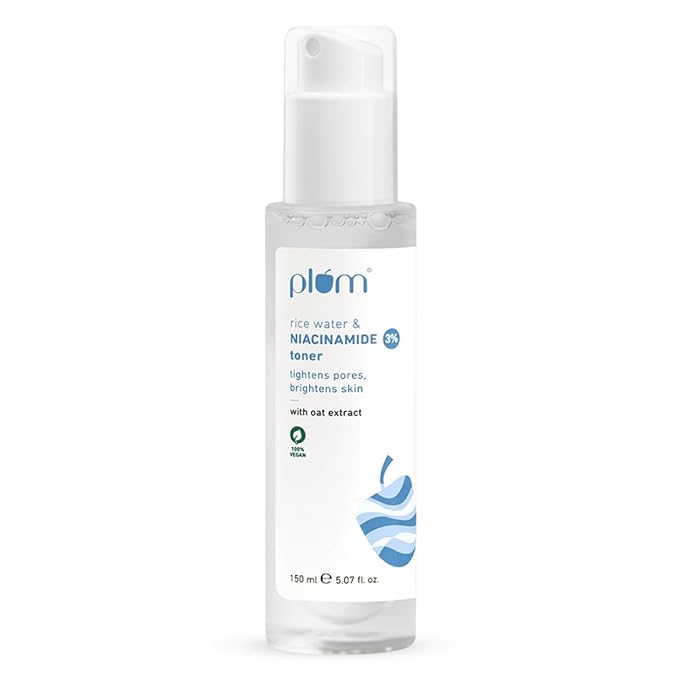
A Rice Water Face Toner is a skincare product (or DIY preparation) which uses the water left over from rinsing, soaking, or boiling rice (often enriched or processed) as a key ingredient. The toner is a liquid formulation that is applied to the skin after cleansing, to help tone, hydrate, soothe, brighten, balance pH, and prepare the skin for subsequent serums, moisturizers, etc.
Key properties of rice water:
-
The “starchy” components of rice water contain carbohydrates, vitamins, minerals, amino acids, antioxidants, etc. These compounds are believed to have benefits such as brightening, soothing, anti‑inflammation, mild astringent effects, etc. Vogue India+2Organic Harvest Blog+2
-
Rice water has historical/traditional roots in East Asia (Japan, Korea, China) as a beauty remedy for skin smoothness, brightness and possibly anti‑aging. Vogue India+2Nykaa+2
A rice water face toner can be a commercial product (with stabilized rice extracts, added ingredients, preservatives, etc.) or a homemade/DIY version (simple rice water, possibly fermented, occasionally with extra botanicals). upstyledaily.com+2Ricekraft+2
Composition / Key Ingredients
Depending on whether it’s a commercial product or a DIY version, the composition of a rice water toner can vary considerably.
Core Components
-
Rice Extract / Rice Water / Rice Starch / Rice Ferment: This is the star ingredient. It may be in the form of raw rice water (from soaking or boiling) or in more advanced processed forms (fermented, hydrolyzed proteins etc.). Mantech Publications+2Vogue India+2
-
Water (Aqua): The base for the liquid, often purified.
-
Moisturizing / Hydrating Agents: Such as glycerin, aloe vera, hyaluronic acid or other humectants to help retain moisture. Many commercial rice water toners include glycerin. Ricekraft+2Ricekraft+2
-
Astringent / Pore‑Tightening Agents: Ingredients like witch hazel, rosewater, etc. which help shrink the appearance of pores, control oil. Some toners combine rice water with witch hazel or hydrosols. Ricekraft+2Ricekraft+2
-
Antioxidants / Anti‑Inflammatory Botanical Extracts: e.g. rose hydrosol, lavender essential oil in some commercial formulas; in fermenting rice water, antioxidants increase. Ricekraft+2Nykaa+2
-
Preservatives / Stabilizers: For commercial versions, to prevent microbial growth etc. For DIY, preservation is a challenge. Ricekraft+1
Additional / Optional Ingredients
Commercial toners often include extras:
-
Fragrance or essential oils (e.g. lavender) for scent. Ricekraft+1
-
Plant hydrosols (rose, etc.) for soothing / aromatic effects. Ricekraft+1
-
Niacinamide (Vitamin B3) in some formulations, for brightening, controlling oil, strengthening skin barrier. Amazon India+1
-
Allantoin etc., to soothe and help healing. Ricekraft+1
How Rice Water Toner Works: Mechanisms
Here are the ways in which rice water toner is believed to benefit skin, from both traditional anecdote and more recent scientific / cosmetic analyses.
-
Hydration and Moisture Retention
The starch, polysaccharides, and some of the amino acids in rice water act as humectants or help preserve moisture. They may help strengthen the skin’s barrier and reduce trans‑epidermal water loss. Nykaa+2Organic Harvest Blog+2 -
Brightening / Evening Skin Tone
Rice water contains compounds (vitamins, antioxidants, possibly niacin) that help reduce discoloration, dark spots, post‑acne marks. Over time, regular use can lead to more radiant or “glowy” skin. NDTV Shopping+1 -
Soothing, Anti‑Inflammatory Effects
Rice water has traditionally been used for calming the skin: reducing redness, irritation, flakiness. The mildness of the toner makes it suitable for sensitive skin (if formulated well). Fermented rice water or botanical additions may enhance this. Nykaa+2Mantech Publications+2 -
Balancing Oil Control / Pore Appearance
Rice water’s mild astringent effect (sometimes helped by added ingredients like witch hazel or rose hydrosol) helps regulate sebum production and tighten pores visually. It may help reduce oiliness without strong drying. Ricekraft+2Ricekraft+2 -
Gentle Exfoliation / Texture Improvement
The mild starch content and possibly fermented compounds can help with superficial skin renewal (though not in the strong exfoliant sense). This can smooth texture, reduce rough patches. Vogue India+1 -
Antioxidant Protection / Anti‑Ageing
Rice a few bioactive compounds (e.g. ferulic acid, phenolic compounds, maybe inositol) act as antioxidants, helping protect skin from oxidative stress (sun, pollution etc.), which is a contributor to premature ageing. This helps reduce appearance of fine lines or prevent them. Allure+2Organic Harvest Blog+2
Types & Methods of Making Rice Water Toner
Different methods produce different strengths or variations in benefit. Here’s a breakdown of common types:
| Type | Method of Preparation | Strengths / Differences |
|---|---|---|
| Soaking Method | Rinse rice to remove impurities, soak in water (30 min to 2 hrs), strain water. Use fresh. | Mild, gentle, good for daily or sensitive skin. Lower potency. The Times of India+1 |
| Boiling Method | Boil rice in extra water; strain off the water. | More starch extracted; slightly thicker; may provide more hydration / mild brightening; risk of more bacterial contamination if not stored properly. The Times of India+1 |
| Fermented Rice Water | After soaking (or boiling), leave rice water at room temperature for 24‑48 hours so it ferments; strain; store properly. Sometimes used to increase antioxidant activity. | May have enhanced bioactive content; possibly stronger skin benefits; but also higher risk of irritation or spoilage if not carefully made/stored. The Times of India+1 |
Commercial toners often use stabilized rice extract or fermented rice extract, combined with preservatives and other beneficial ingredients to increase shelf stability and reduce risks. Allure+1
Typical Benefits & What Users Can Expect
With regular, proper use, here are the benefits most people report:
-
A more hydrated and supple skin feeling, especially after cleansing when skin often feels tight Rice Water Face Toner.
-
A visible brightness over weeks: reduction in dullness, more “glowy” complexion Rice Water Face Toner.
-
Reduced appearance of pores: pores may appear less visible, less oil‑sheen in T‑zone Rice Water Face Toner.
-
Improved skin texture, smoother feel, less rough or flaky patches Rice Water Face Toner.
-
Calmer skin: redness, irritation, post‑sun or environmental stress may reduce Rice Water Face Toner.
-
Over longer term, milder fine lines may appear less noticeable thanks to moisture + antioxidant protection.
How to Use Rice Water Toner (Application & Best Practices)
To maximize benefits and minimize risk, following good usage practices is key.
-
Patch Test First
If using a new rice water toner (especially fermented or commercial with additives), test on small patch (behind jaw or neck) for 24 hours to check for reaction Rice Water Face Toner. -
When to Use
-
After cleansing (AM/PM): toner helps restore pH, remove any last traces of cleanser or impurities.
-
Before applying serums or moisturizers Rice Water Face Toner.
-
Possibly as a light mist during the day (if in spray form) for refreshment Rice Water Face Toner.
-
-
Frequency
-
Many commercial toners say 1‑2 times daily. Ricekraft+1
-
For DIY or stronger/fermented versions, maybe less frequently (e.g. once daily or alternate days) to avoid over‑use Rice Water Face Toner.
-
-
Application Methods
-
With cotton pad: soak pad and swipe gently (but avoid tugging) Rice Water Face Toner.
-
By spritzing / mist (if in spray bottle): beneficial for hydration and light application Rice Water Face Toner.
-
By patting with hands: helps absorption and reduces waste Rice Water Face Toner.
-
-
Storage & Shelf Life
-
Homemade/diy versions: use fresh, keep refrigerated, use within a few days to avoid bacterial growth. upstyledaily.com+1
-
Commercial versions: check for preservative system, expiration date Rice Water Face Toner.
-
-
Follow‑Up Skin Care
-
After using toner, apply a serum / moisturizer to seal in hydration Rice Water Face Toner.
-
Use sunscreen in the morning: since many brightening or antioxidant actives can increase sensitivity to sun Rice Water Face Toner.
-
Potential Drawbacks, Risks & Precautions
While rice water toner is generally gentle and beneficial, there are caveats:
-
Spoilage / Microbial Growth: Homemade rice water (or poorly preserved commercial ones) can grow bacteria or yeast, especially if stored at room temperature or left for long periods. Using spoiled toner can cause irritation Rice Water Face Toner.
Recent Scientific Findings & Evidence
There has been modest but growing research into rice water in cosmetic applications. The evidence is not yet large‑scale, but several studies point toward promise:
-
One study in MDPI explored a rice water hydrogel (≈96% rice water) applied over 28 days. Among its findings: strong antioxidant activity, inhibition of elastase (an enzyme that breaks down skin elasticity), biocompatibility, and favorable sensory/texture profiles. MDPI
-
Another small trial showed that rice water helped reduce damage from ultraviolet exposure in skin, likely via its antioxidant components. Healthline+1
-
Studies have also looked at rice water’s effects on barrier function: studies suggest rice water can help improve skin barrier properties, reduce irritation, and possibly improve moisture retention. IOSR Journals+1
-
There are evaluations of formulations for rice water toners: e.g., one recent study from India formulated rice water toner with natural preservatives and essential oils; over weeks, participants reported improvements in softness, brightness, texture, without irritation. IJARSCT
So, while many of the most dramatic claims (spot removal, whitening, extremely fast results) are still more anecdotal than proven, there is good support for gentler outcomes: hydration, antioxidant protection, soothing, mild brightening.
Cultural / Traditional Usage & Origins
Rice water has a long history in Asian beauty and wellness traditions:
-
In Japan, during the Heian period, rice water was used for skin care, rice water baths, and hair treatments. The tradition of “yu no ushiroi” (rice water bathing) is old. Healthline+1
-
In Korea and China, rice water has been a part of folk skincare for skin brightening, oil control, and glowing complexion. Women often used leftover water from rinsing rice to cleanse their skin or hair. Byrdie+2The Times of India+2
-
In India, rice water (or “paalak” rice, etc.) has appeared in traditional remedies for skin glow, for cooling sunburn, for soothing skin in summer etc. Ayurvedic and folk skin care wisdom mention rice water use. The Times of India+1
These traditional uses often involve simple soak/rinse methods, applied daily or a few times per week, often in warm climates where skin oil and sun damage are common, so the rice water acts as mild remedy.
Advanced Preparation Methods & Variations
Different ways of preparing rice water can affect its properties, potency, and suitability. Here are more refined methods, with pros/cons.
-
Soak Method
-
Rinse rice well to remove impurities, then soak in clean water (ideally filtered) for 30 minutes to 1 hour. Strain.
-
Pros: Simple, gentle, minimal heat so less risk of damaging heat‑sensitive compounds. Good for daily mild use.
-
Cons: Lower extraction of certain nutrients; risk of microbial growth if stored too long.
-
-
Boil / Cook‑Then‑Strain Method
-
Boil rice with water, let it simmer until water becomes milky, then strain rice and collect water. May be diluted.
-
Pros: Heat may extract more soluble compounds; perhaps safer from microbial contamination initially.
-
Cons: Some heat‑sensitive vitamins / enzymes may degrade; risk of higher starch content, which can leave residue if not rinsed well.
-
-
Fermented Rice Water
-
After preparing (soak or boil), let water ferment (at room temperature) for 24‑48 hrs or more, then refrigerate. Fermentation may be spontaneous or induced with certain starter cultures.
-
Pros: Fermentation can increase antioxidant compounds, possibly improve skin benefits; may increase mild exfoliating properties.
-
Cons: Smell (may be unpleasant), higher risk of over‑fermentation or contamination; more potential for irritation in sensitive skin.
-
-
Commercial Formulations
-
Many toners or cosmetic products use rice extract/rice water as one component, often with preservatives, stabilisers, fragrance, added botanicals, etc.
-
Pros: More controlled (pH, preservative, safety); often combined benefits (hydrators, antioxidants etc.).
-
Cons: Sometimes diluted; may include additives (fragrance etc.) that could irritate; quality depends on formulation.
-
Pairing Rice Water Toner with Other Skincare Ingredients & Routine
To get the best results and avoid adverse effects, pairing rice water face toner appropriately with other skincare steps is key.
-
After Cleansing: Rice water toner works best after cleansing, to remove residue, prepare skin for other layers.
-
With Humectants / Moisturisers: Ingredients like hyaluronic acid, glycerin can boost hydration when used after rice water, sealing moisture in.
-
With Mild Exfoliants: Occasional use of mild exfoliants (like lactic acid or gentle AHA/BHA) can help the skin slough dead layers; rice water may help soothe post‑exfoliation. But not on the same night if skin is sensitive.
-
With Sunscreen: Because some ingredients in rice water may help protect or soothe, but not a substitute for sunscreen. UV exposure is a primary cause of hyperpigmentation/ premature aging, so always use SPF in the morning.
-
Use Appropriate Moisturiser: Especially if skin tends to dry or rice water leaves a slightly tacky or starch film, follow up with emollient or moisturizer to prevent dryness.
Potential Use Cases & Who Might Benefit
Knowing your skin type / concern helps gauge whether rice water toner is likely to help you. Here are practical use‑cases:
-
Dry, sensitive skin: Might appreciate rice water’s soothing, calming effect; mild hydration; but should use less often or gentler (soak method), ensure moisturisation afterwards.
-
Oily / combination skin: Some users feel rice water helps balance oil, reduce greasy sheen; but because of starch content, might cause temporary film or stickiness; may prefer lighter usage.
-
Skin with redness / irritation: Rice water’s anti‑inflammatory properties can help calm irritation, heat, light sunburn.
-
Skin with dullness / mild pigmentation: Rice water’s antioxidant and mild brightening effects may help; but for deeper spots or long‑standing pigmentation, stronger actives (vitamin C, niacinamide, retinoids) may be needed.
-
Aging skin: Inhibition of elastase and antioxidant properties may help delay visible signs of aging (fine lines, loss of elasticity).
Risks, Limitations & Mitigation Strategies
While overall rice water face toner is considered low‑risk, here are limitations and how to mitigate them:
-
Microbial contamination: DIY rice water, especially when stored unrefrigerated, left for many days, or fermented unattended, can develop bacterial/fungal growth. Always store in clean, sealed containers, preferably refrigerated, use within short span (1 week or less).
-
Potential irritation / breakouts: Especially in sensitive, acne‑prone skin. If using fermented or high starch content, may clog pores or irritate. Doing patch tests helps.
-
Variability in potency: Differences in rice type (white, brown, polished, whole grain), water quality, preparation method, fermentation etc., all change the concentration and mix of actives. So effect will vary.
-
Not a substitute for clinical treatments: For serious skin conditions (eczema, severe acne, melasma, etc.), rice water can be supportive, but should not replace medical advice or treatments.
-
Possible build‑up / residue: Starch or proteins can leave a film on skin, especially if used heavily, without proper rinsing or follow‑up with cleanser or moisturizer.
Realistic Expectations Over Time
When used properly and consistently, here’s roughly what many users experience over time:
-
First few days: Skin feels fresher, cleansed; slight glow; possibly less tight after cleansing.
-
1‑2 weeks: Noticeable reduction in redness or irritation; pores may appear less prominent; skin texture smoother.
-
3‑4 weeks: Slightly more even skin tone; dullness starts fading; some superficial pigmentation or dark spots may lighten somewhat (with good sun protection).
-
Beyond 4‑8 weeks: Improved elastic feel; improved barrier function; long‑term glowing appearance; less reactive skin; better tolerance to environmental stressors.
Expect that changes are gradual. Dramatic transformations are rare unless supplemented by other skincare.
Practical Guide: DIY Rice Water Toner Recipe + Variations
Here are detailed recipes and tips for making rice water toner at home, plus variations.
Basic Soaked Rice Water Toner
-
Ingredients: ½ cup rice (white or brown), 2 cups clean (filtered) water Rice Water Face Toner.
-
Method: Rinse rice 2‑3 times; soak in water for ~30 minutes; stir occasionally. Strain rice; collect water. Store in clean jar, refrigerate Rice Water Face Toner.
-
Usage: After cleansing, apply with cotton pad or spray; pat into skin; use morning or night; follow with moisturiser/SPF Rice Water Face Toner.
Boiled Rice Water Toner
-
Ingredients: same rice + water Rice Water Face TonerMethod: Boil water with rice, simmer for few minutes until water turns slightly cloudy; strain. Optionally dilute if too thick. Cool completely before use.
Fermented Rice Water Toner
-
Ingredients: same as soak/boil Rice Water Face Toner
-
Method: After soaking or boiling and straining, cover container and let it sit at room temperature for 24‑48 hours until lightly fermented (you may see tiny bubbles or smell change). Then refrigerate.
Add‑Ons / Enhancements:
-
A few drops of aloe vera gel to add soothing effect Rice Water Face Toner.
-
A few drops of cucumber extract or green tea for extra antioxidants Rice Water Face Toner.
-
A small amount of glycerin or hyaluronic acid added for more hydration Rice Water Face Toner.
Storage Tips: sealed jar, fridge; label date; use within 5‑7 days (for non‑fermented) or shorter for fermented (maybe 2‑3 days) Rice Water Face Toner.
-
Reviews
There are no reviews yet.